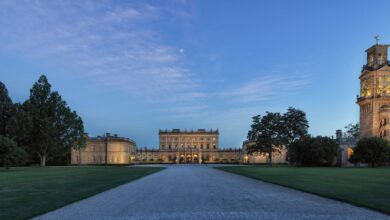
unique boutique hotels with local charm sets the stage for this enthralling narrative, offering readers a glimpse into a story that is rich in detail with idntimes author style and brimming with originality from the outset. These hotels redefine the hospitality experience by combining personalized service, unique design, and a deep connection to the local culture. As travelers seek authentic experiences, boutique hotels provide not just a place to stay but an immersion into the heart of the destinations they inhabit, highlighting the charm and uniqueness that each locale has to offer.
Definition and Characteristics of Unique Boutique Hotels
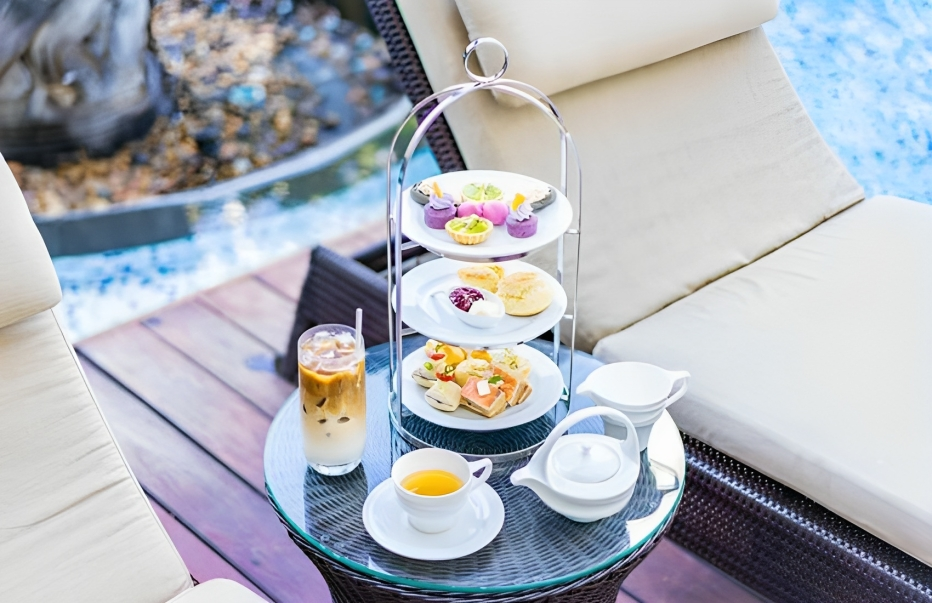
Unique boutique hotels represent a distinct segment of the hospitality industry, characterized by their intimate and personalized experience. These establishments typically feature a small number of rooms, allowing for tailored service and attention to detail that is often absent in larger hotel chains. The emphasis on local identity and charm sets boutique hotels apart, making them appealing to travelers seeking a unique and memorable stay.






The defining features of unique boutique hotels include their distinctive design, typically inspired by local culture and history. Each hotel often incorporates elements that reflect the surrounding community, from locally sourced artwork to traditional architecture. Furthermore, boutique hotels prioritize authenticity, offering guests a sense of place that connects them to the locale. This focus on local charm can manifest in various ways, such as personalized recommendations for local attractions, dining experiences that showcase regional cuisine, and partnerships with local artisans.
Elements Contributing to Local Charm
The elements that contribute to the local charm of boutique hotels are multifaceted, ultimately enhancing the guest experience. Here are key factors that define this aspect:
- Architectural Style: Many boutique hotels utilize historical buildings or unique architectural designs that reflect the cultural heritage of the region, creating a sense of belonging for guests.
- Art and Decor: Local artists often provide artwork and decor, showcasing the area’s talent and giving guests a taste of the local creative scene.
- Regional Cuisine: Boutique hotels frequently feature on-site dining options focusing on local ingredients and traditional recipes, allowing guests to indulge in the authentic flavors of the area.
- Personalized Service: The smaller scale of boutique hotels allows for attentive service, where staff often know returning guests by name and can provide customized experiences based on individual preferences.
- Community Engagement: Many boutique hotels participate in local events, markets, and festivals, inviting guests to immerse themselves in the community and foster a deeper connection with the destination.
Clientele Attracted to Boutique Hotels, Unique boutique hotels with local charm
The clientele that is drawn to boutique hotels with local charm is diverse but typically includes travelers who prioritize unique experiences over generic comfort. This demographic often consists of:
- Cultural Enthusiasts: Individuals who seek to engage with local traditions, art, and heritage find boutique hotels an ideal base for exploration.
- Luxury Travelers: Those who appreciate high-quality, personalized service and distinctive accommodations often prefer boutique options that exceed standard hotel offerings.
- Millennials and Generation Z: Younger travelers inclined toward Instagrammable experiences and authentic stays are increasingly attracted to boutique hotels, valuing their unique characteristics.
- Business Travelers: Professionals seeking a break from corporate hotel chains often opt for boutique hotels that provide a refreshing and personalized atmosphere.
- Eco-Conscious Guests: Many boutique hotels emphasize sustainability and community support, appealing to travelers who prioritize environmental and social responsibility.
Benefits of Staying in Boutique Hotels: Unique Boutique Hotels With Local Charm
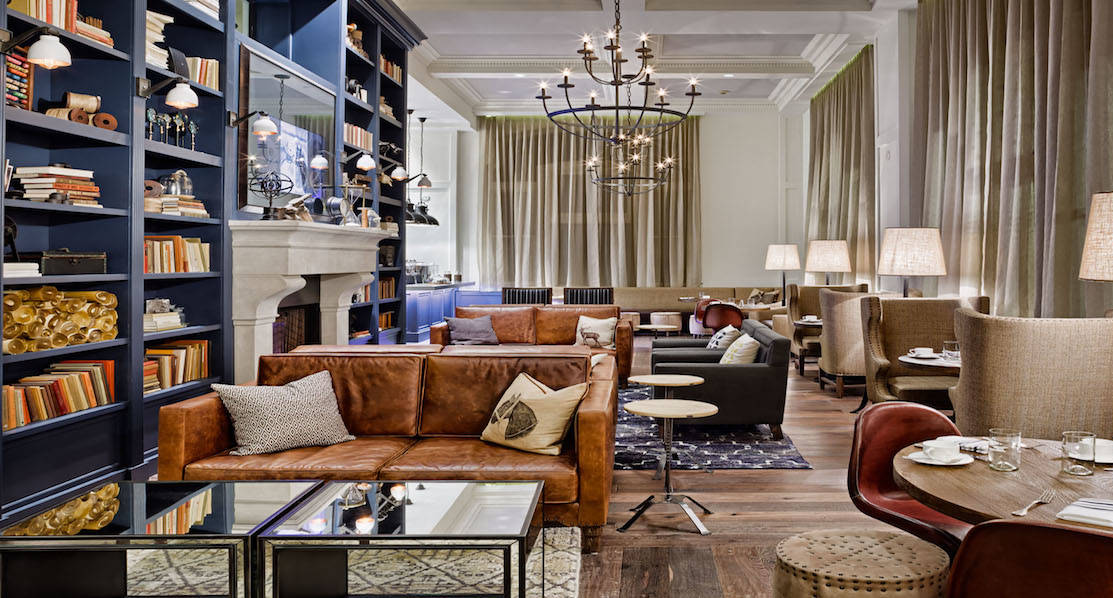
Staying in boutique hotels offers a myriad of advantages that elevate the travel experience far beyond what traditional hotels can provide. These intimate accommodations are designed not just for comfort, but for creating memorable experiences that resonate with the local culture and charm. By opting for boutique hotels, travelers can immerse themselves in unique environments that foster a deeper connection to their destinations.
Boutique hotels enhance local experiences in ways that large, standard hotels often cannot. They are typically located in vibrant neighborhoods, allowing guests to explore the authentic life of the area. From curated design that reflects local artistry to staff who often possess deep knowledge of the region, boutique hotels provide an enriching backdrop for discovering hidden gems. These establishments often emphasize personal touches and attention to detail, ensuring each guest feels valued and understood.
Personalized Services in Boutique Hotels
The hallmark of boutique hotels is their commitment to personalized service, which often includes tailored experiences designed to meet the individual needs of each guest. Here are some common features that highlight this bespoke service model:
- Custom Welcome Amenities: Many boutique hotels greet guests with personalized welcome gifts that reflect regional specialties, such as local snacks, artisanal products, or handcrafted items, enhancing the feeling of arrival.
- Concierge Services: Staff members take the time to create bespoke itineraries for guests, offering recommendations for dining, entertainment, and activities that align with their interests, ensuring a unique and engaging experience.
- Room Customization: Guests may have the option to choose their pillows, room fragrance, or even room themes, fostering a personalized environment that caters to individual preferences.
- Local Experiences: Boutique hotels often organize exclusive events such as cooking classes, guided tours, or cultural workshops, allowing guests to engage directly with the local community and its traditions.
These personalized services not only enhance the stay but also foster connections between guests and the local culture, making for a more immersive travel experience. Each interaction is designed to make visitors feel at home while exploring the distinctive characteristics of their surroundings.
Popular Destinations for Unique Boutique Hotels
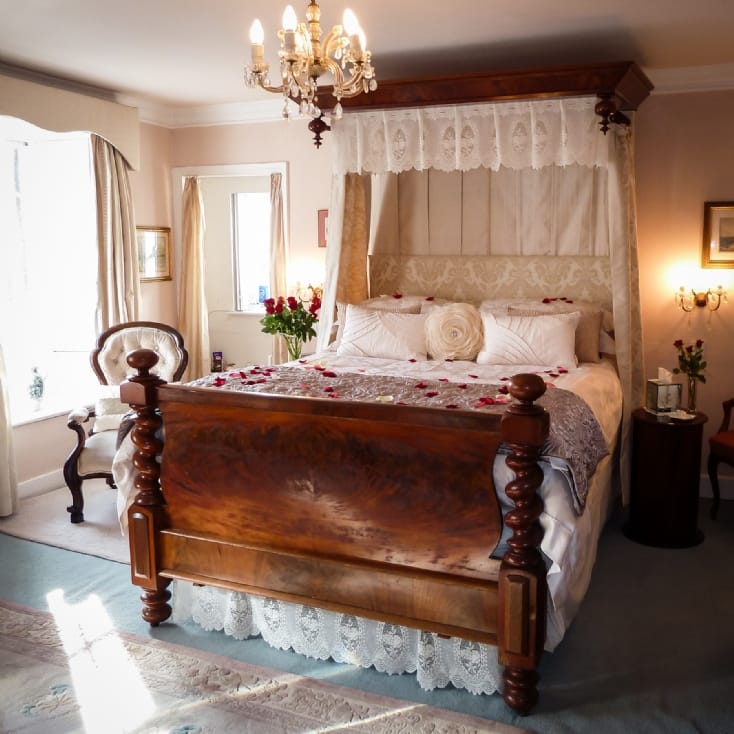
Finding the perfect place to stay during your travels can enhance your experience significantly. Unique boutique hotels offer a blend of local charm and personalized service that larger chains often cannot match. These hotels are often situated in vibrant neighborhoods, allowing guests to immerse themselves in the local culture and experience the destination like a local.
Many cities around the world are renowned for their exceptional boutique hotel offerings. These hotels not only provide comfortable and stylish accommodations but also reflect the unique character of their locations. Below are some of the top cities celebrated for their unique boutique hotels, along with a glimpse into some specific hotels that exemplify local charm.
Top Cities with Unique Boutique Hotels
The following cities are widely recognized for their remarkable boutique hotel selections. Each of these locations boasts distinctive hotels that offer a variety of experiences, making them popular choices for travelers seeking something special.
- New York City, USA
The vibrant culture and fast-paced life of New York City is perfectly complemented by boutique hotels that embody the city’s eclectic spirit. One standout option is the The Ludlow Hotel in the Lower East Side, known for its chic, vintage-inspired décor and stunning views of the city skyline.
- Paris, France
Paris is synonymous with elegance and style, and its boutique hotels are no exception. The Hotel Le Six, located in the heart of the Montparnasse district, offers a luxurious yet intimate atmosphere, complete with art deco furnishings and a charming courtyard.
- Barcelona, Spain
Barcelona’s unique architecture and lively atmosphere are reflected in its boutique accommodations. The Hotel Neri, housed in a 12th-century building, combines historic charm with modern luxury, providing guests with an unforgettable stay in the Gothic Quarter.
- Tokyo, Japan
In Tokyo, where tradition meets innovation, boutique hotels offer a unique experience. The Trunk Hotel is a prime example, featuring a blend of contemporary design and traditional Japanese aesthetics, right in the lively Shibuya district.
- Mexico City, Mexico
Mexico City’s rich history and vibrant culture shine through its boutique hotels. Hotel Zocalo Central offers stunning views of the Zocalo square and combines modern comfort with a historic ambiance, making it a favorite among travelers.
Unique Features of Boutique Hotels by Location
The charm of boutique hotels often lies in their unique features that distinguish them from standard accommodations. Below is a table displaying some of these distinctive qualities across selected cities.
| City | Hotel | Unique Features |
|---|---|---|
| New York City | The Ludlow Hotel | Vintage décor, rooftop terrace, local art installations |
| Paris | Hotel Le Six | Art deco style, cozy library, proximity to cultural landmarks |
| Barcelona | Hotel Neri | Historic architecture, rooftop terrace, gourmet restaurant |
| Tokyo | Trunk Hotel | Modern design, communal spaces, focus on sustainability |
| Mexico City | Hotel Zocalo Central | Historic building, rooftop bar, cultural experiences |
“Staying in a boutique hotel is not just about comfort; it’s about experiencing the essence of a city.”
Design Elements of Boutique Hotels
Boutique hotels are renowned for their distinctive design elements that set them apart from conventional hotel chains. These properties often showcase a harmonious blend of style, comfort, and local influences, creating an inviting atmosphere that resonates with guests. The intricate details in architecture and interior design not only enhance the guest experience but also reflect the unique culture of the surrounding area.
The design principles that make boutique hotels exceptional are rooted in their eclectic aesthetics, personalized touches, and thoughtful layouts. Unlike standard hotels, which may prioritize uniformity, boutique hotels embrace diversity by incorporating unique design elements that tell a story. This narrative often draws from the local culture, environment, and history, creating a sense of place that enriches the guest’s stay.
Local Culture Influencing Architecture and Decor
The architecture and decor of boutique hotels are often deeply influenced by the local culture, which can be observed in various aspects such as materials, colors, and design motifs. Integrating local elements into hotel design allows guests to immerse themselves in the destination’s heritage, offering a more authentic travel experience.
For instance, a boutique hotel located in a coastal area might feature open layouts with large windows that provide stunning views of the ocean, employing natural materials like wood and stone that reflect the surrounding landscape. In contrast, a boutique hotel situated in a historic urban area may embrace the charm of its surroundings by preserving original architectural features, such as exposed brick walls or antique furnishings.
- Materials: Local artisans often contribute handmade furniture or textiles, showcasing traditional craftsmanship and adding a personal touch to the hotel’s decor.
- Color Schemes: Color palettes are typically chosen to reflect the local environment, drawing inspiration from natural landscapes or urban settings.
- Artworks: Incorporating local artwork or photography not only enhances the aesthetic appeal but also supports local artists and fosters a sense of community.
Innovative Design Concepts in Boutique Hotels
Innovative design concepts in boutique hotels often challenge conventional norms, resulting in spaces that are not only visually striking but also functional and comfortable. These concepts can include sustainable practices, multifunctional spaces, and interactive design elements that engage guests in unique ways.
An example of such innovation is the use of green design practices, where hotels implement eco-friendly materials and energy-efficient systems. For instance, the 1 Hotel brand incorporates natural elements such as reclaimed wood and living green walls, promoting sustainability while enhancing aesthetic appeal.
Another notable concept is the use of theme-based designs, where each room or space within the hotel tells a different story or reflects a specific aspect of the local culture. The Hotel des Arts in San Francisco, for example, features a vibrant art theme that celebrates local street art, with each room showcasing a different artistic style.
“Each boutique hotel is a canvas where local culture, innovative design, and personal touches come together to create a memorable experience.”
Culinary Experiences in Boutique Hotels
Boutique hotels offer more than just a place to stay; they provide unique culinary experiences that reflect the local culture and flavors. With an emphasis on authenticity, these hotels often partner with local farmers, artisans, and chefs to create menus that showcase the region’s culinary heritage. This commitment to local cuisine enhances the overall guest experience, allowing travelers to engage with the destination in a meaningful way.
The food and beverage offerings in boutique hotels typically stand in stark contrast to those found in larger hotel chains. While larger chains may offer standardized menus with a focus on mass appeal, boutique hotels prioritize creativity and personalization, often curating their menus based on seasonal ingredients and local culinary traditions. This attention to detail fosters a deep connection between the food served and the locale, creating memorable dining experiences for guests.
Signature Dishes and Local Ingredients
The culinary offerings at boutique hotels often feature signature dishes that celebrate local ingredients, blending traditional recipes with innovative cooking techniques. Below is a table showcasing examples of popular boutique hotel signature dishes and the local ingredients used to create them:
| Hotel Name | Signature Dish | Local Ingredients |
|---|---|---|
| Hotel Del Coronado, California | Coronado Fish Tacos | Freshly caught local fish, heirloom tomatoes, avocado, corn tortillas |
| Hotel Amour, Paris | Coq au Vin | Free-range chicken, local red wine, mushrooms, aromatic herbs |
| Post Ranch Inn, California | Organic Garden Salad | Heirloom vegetables, local goat cheese, house-made vinaigrette |
| Hotel Esencia, Mexico | Yucatan Pork Tacos | Locally sourced pork, handmade tortillas, fresh cilantro, lime |
| Schweizerhof Hotel, Switzerland | Rösti with Local Cheese | Locally grown potatoes, Emmental cheese, fresh herbs |
In summary, the culinary experiences offered by boutique hotels play a crucial role in enhancing the overall guest experience. By emphasizing local cuisine and unique signature dishes, these hotels set themselves apart from larger chains, providing travelers with a taste of the destination that is both authentic and memorable.
Community Engagement and Sustainability
Boutique hotels are increasingly recognized for their role in fostering local culture and promoting sustainability. By integrating themselves into the fabric of their communities, these hotels not only provide unique experiences for their guests but also contribute positively to the surrounding environment and economy. This engagement often translates into a deeper connection between travelers and the destinations they visit, enriching both their stays and the local communities.
One way boutique hotels engage with their local communities is through collaboration with local artisans and businesses. This not only supports the economy but also enhances the authenticity of the guest experience. Many boutique hotels curate their amenities, decor, and even their menus to showcase local talent and resources.
Local Community Engagement Strategies
Boutique hotels employ various strategies to forge strong relationships with their communities. These initiatives highlight the importance of local culture and contribute to the hotel’s unique charm.
- Supporting Local Artisans: Boutique hotels often feature artwork, crafts, and products created by local artists, providing them a platform to reach a wider audience.
- Partnering with Local Farmers: Many hotels create farm-to-table dining experiences by sourcing ingredients from nearby farms, thereby promoting sustainable agriculture.
- Hosting Community Events: Events such as cultural festivals, art shows, and local markets are often hosted by boutique hotels, turning them into community hubs.
- Offering Volunteer Opportunities: Some hotels encourage guests to participate in community service, such as beach clean-ups or local charity events, fostering a spirit of giving back.
The sustainability practices adopted by boutique hotels go hand in hand with their community engagement efforts.
Sustainable Practices in Boutique Hotels
Many boutique hotels are leading the way in sustainability, adopting eco-friendly practices that not only reduce their environmental footprint but also enhance their local charm.
- Energy Efficiency: Implementing solar panels and energy-efficient appliances reduces energy consumption and promotes renewable energy sources.
- Water Conservation: Installing low-flow fixtures and rainwater harvesting systems help conserve water, which is crucial in many regions.
- Waste Reduction Programs: Many hotels implement recycling and composting programs, minimizing waste sent to landfills.
- Eco-friendly Furnishings: Sourcing sustainable materials for furniture and decor ensures that the hotel’s design reflects a commitment to the environment.
One exemplary case of a boutique hotel positively impacting its surroundings is the Hotel Verde in Cape Town, South Africa. This hotel is renowned for its commitment to sustainability, featuring energy-efficient systems, a green roof, and extensive recycling measures. It also actively engages with the local community by offering training programs and employment opportunities for local residents.
Another remarkable example is the 1 Hotel in Miami, which integrates natural elements into its design while promoting local wildlife conservation efforts. This hotel collaborates with local conservation organizations, enhancing its sustainability initiatives and community engagement.
Ultimately, the blend of community involvement and sustainable practices not only differentiates boutique hotels but also plays a vital role in the preservation and promotion of local culture and environments. Through these efforts, boutique hotels create memorable experiences that resonate with travelers while making a lasting positive impact on their local communities.
Marketing Strategies for Boutique Hotels
Effective marketing strategies are essential for boutique hotels to differentiate themselves in a competitive hospitality landscape. Unlike larger hotel chains, boutique hotels thrive on their unique character and local charm, which can be leveraged to create memorable experiences for guests. This segment delves into specific marketing strategies tailored for boutique hotels, emphasizing how they can utilize their distinctiveness in branding and showcase successful campaigns that resonate with their target audience.
Leveraging Local Charm in Branding
Boutique hotels can significantly enhance their brand appeal by incorporating local charm into their marketing initiatives. This approach not only sets them apart but also fosters a deep connection with potential guests who are seeking authentic experiences.
- Highlighting Local Culture: Boutique hotels can showcase local art, music, and traditions through curated experiences or in-house decor, inviting guests to immerse themselves in the local culture.
- Collaborating with Local Businesses: Partnering with nearby restaurants, artisans, and tour operators can create packages that offer guests a taste of the local lifestyle, thus enhancing their overall experience.
- Storytelling: Crafting narratives around the hotel’s history, architectural style, or the surrounding neighborhood can resonate with guests, making them feel part of the hotel’s unique story.
- Utilizing Local Influencers: Engaging local influencers to promote the hotel can effectively reach potential guests who value authenticity in their travel choices.
Successful Marketing Campaign Examples
Several boutique hotels have executed innovative marketing campaigns that successfully highlight their unique characteristics and local charm. These examples serve as inspiration for others in the industry.
- The Ace Hotel: With locations in several cities, Ace Hotel effectively uses social media to promote its unique design and local events. Their #AceHotel hashtag invites guests to share their experiences, creating a community around the brand.
- Hotel Vermont: This hotel leverages its commitment to sustainability and local sourcing in its marketing. Campaigns emphasize farm-to-table dining experiences and partnerships with local breweries, appealing to eco-conscious travelers.
- 21c Museum Hotels: By combining a contemporary art museum with a boutique hotel experience, 21c creatively markets itself through art-centric events, installations, and community engagement activities that draw both guests and locals.
- The Saguaro: This vibrant hotel in Palm Springs uses colorful imagery and local event promotions to attract a fun-loving clientele. Their marketing campaigns often highlight seasonal festivals and pop-up events that reflect the local lifestyle.
“Unique boutique hotels must tell their story through every marketing channel to create an emotional connection with potential guests.”
Trends in the Boutique Hotel Industry
The boutique hotel industry is currently experiencing transformative trends that reflect the evolving preferences of modern travelers. As guests increasingly seek personalized experiences and unique characteristics in their accommodations, boutique hotels are adapting in innovative ways. This shift is reshaping the industry landscape, emphasizing local culture, technology integration, and sustainability.
One significant trend shaping the boutique hotel landscape is the rise of experiential stays. Travelers now prioritize authentic experiences over traditional amenities. This trend is evident in the growing popularity of hotels that offer immersive local activities, from culinary classes to guided cultural tours. Additionally, boutique hotels are increasingly incorporating technology to enhance guest experiences. Smart room features, mobile check-ins, and personalized service through apps are becoming standard, allowing for greater convenience and customization.
Emerging Concepts in Boutique Hospitality
The future of boutique hospitality is being defined by several emerging concepts that cater to the desires of today’s travelers. These concepts are shaping not only the design and operation of boutique hotels but also their overall appeal.
- Local Authenticity: Boutique hotels are focusing on reflecting the local culture and community in their design, decor, and offerings. This includes sourcing materials and art from local artisans, creating a unique environment that embodies the essence of the destination.
- Sustainability Practices: An increasing number of boutique hotels are adopting eco-friendly practices, such as using renewable energy sources, implementing water conservation techniques, and reducing plastic usage. Hotels like 1 Hotel in Miami exemplify this trend with their commitment to sustainability.
- Wellness and Mindfulness: Boutique hotels are incorporating wellness-oriented amenities such as yoga studios, meditation spaces, and organic food menus, catering to health-conscious travelers seeking relaxation and rejuvenation.
- Remote Work Facilities: The rise of remote work has led boutique hotels to develop work-friendly environments, offering high-speed internet, workspaces, and comfortable areas for business travelers or digital nomads.
These concepts illustrate the shift towards a more personalized, responsible, and health-oriented hospitality experience, demonstrating how boutique hotels are evolving to meet contemporary needs.
Adapting to Changing Traveler Preferences
As traveler preferences continue to shift, boutique hotels are not only recognizing these changes but are also predicting how to adapt effectively. This foresight is critical in maintaining competitiveness and relevance in the evolving market.
One prediction is the increased integration of technology in every aspect of the guest experience. For example, the use of artificial intelligence for personalized recommendations and enhanced customer service is expected to grow. Hotels may utilize data analytics to tailor experiences based on guests’ past behaviors and preferences.
Additionally, boutique hotels are expected to further enhance their community engagement efforts by collaborating with local businesses and artists. This approach strengthens community ties and provides guests with a more immersive local experience. Hotels may also host local events or workshops to foster a sense of connection between travelers and the surrounding community.
In conclusion, as the boutique hotel industry evolves, it remains essential for these establishments to remain attuned to traveler preferences and market trends. By embracing authenticity, sustainability, and technology, boutique hotels are well-positioned to thrive in the future.