Historical hotels with rich cultural experiences offer more than just a place to stay; they serve as living museums that reflect the heritage and traditions of their locales. These establishments hold stories of the past, showcasing architectural marvels and hosting significant events that have shaped local culture. Each hotel is a portal into history, where guests can immerse themselves in the unique customs and practices that define a region.
From traditional cooking classes to cultural performances, these hotels provide a myriad of opportunities for travelers to engage with the local way of life. They highlight the importance of preserving historical narratives while also showcasing the craftsmanship of local artisans through their design and decor. Staying in such hotels promises not only comfort but also an enriching cultural journey that enhances the travel experience.






Historical Significance of Hotels
Hotels have long served as vital hubs of culture, community, and history, often reflecting the unique narratives of the locales in which they are situated. These establishments not only provide accommodation but also play a significant role in preserving local traditions and heritage. As cultural landmarks, historical hotels serve as a testament to architectural evolution and social dynamics across different eras, allowing guests to experience the rich tapestry of a region’s past.
The historical significance of hotels is underscored by their involvement in pivotal events that shape communities and nations. Many renowned hotels have hosted influential figures, served as meeting points during crucial historical moments, and even acted as shelters during conflicts. Such hotels are not just places to stay; they embody the stories of resilience and transformation that characterize their locations.
Examples of Hotels in Historical Events
Numerous hotels have played pivotal roles in significant historical events, turning them into symbols of cultural heritage. Their involvement in politics, art, and society often reflects broader historical narratives. Below are notable examples of such hotels:
- Hotel de Crillon, Paris: This iconic hotel has witnessed numerous significant events, including the signing of peace treaties and hosting distinguished dignitaries. Its opulent French architecture offers a glimpse into the grandeur of the past.
- The Ritz, London: Known for its lavish service, The Ritz has been the backdrop for countless historic moments, including royal celebrations and high-profile meetings during both World Wars.
- Hotel Astoria, St. Petersburg: This hotel has hosted literary giants like Fyodor Dostoevsky and is steeped in revolutionary history, particularly surrounding the Russian Revolution, making it a key location for cultural discourse.
- InterContinental Carlton, Cannes: The hotel has been a significant site during the Cannes Film Festival, attracting celebrities and artists and influencing the global film industry.
Architectural Styles Reflecting Cultural Heritage
The architecture of historical hotels often mirrors the cultural heritage and artistic movements of their times. These buildings showcase a variety of styles that encapsulate the essence of the periods they were constructed in. Analyzing these architectural designs reveals much about the societal values and historical contexts of their eras.
Examples of notable architectural styles found in historical hotels include:
- Victorian Style: Common in many hotels in the United Kingdom, this intricate style represents the industrial revolution and reflects the era’s emphasis on creativity and ornamentation.
- Art Deco: Characterized by bold geometric shapes and lavish ornamentation, this style exemplifies the luxurious lifestyle of the 1920s and 1930s, as seen in hotels like the Fontainebleau Miami Beach.
- Spanish Colonial Revival: This style, evident in hotels throughout California, reflects the cultural influences of the Spanish era, showcasing stucco walls and red-tiled roofs.
- Modernist: Hotels built in the mid-20th century often emphasize simplicity and functionality, creating a stark contrast to their ornate predecessors, best exemplified by the Bauhaus movement.
“Hotels are not just places to stay; they are living museums of culture and history, each room telling the story of the past.”
Cultural Experiences Offered by Historical Hotels

Staying at a historical hotel provides more than just a comfortable room; it immerses guests in the local culture and history. These hotels often offer a variety of cultural experiences that allow visitors to engage deeply with the traditions and heritage of the region. From culinary classes to performances celebrating local art forms, these experiences enhance the overall stay and create lasting memories.
Many historical hotels curate unique cultural activities that reflect the traditions of the area. These activities often include traditional cooking classes, which not only introduce guests to local cuisine but also allow them to interact with local chefs who share their culinary secrets. Furthermore, these hotels frequently host cultural performances and events that showcase regional music, dance, and art, creating an enriching atmosphere for guests.
Unique Cultural Experiences
Guests can expect a diverse array of cultural experiences when staying at historical hotels. These experiences are designed to provide insights into the local culture and heritage, making the stay more meaningful. The following are some unique cultural experiences typically offered:
- Traditional Cooking Classes: Learn to prepare authentic regional dishes using age-old recipes passed down through generations. These classes often include a visit to local markets to source fresh ingredients.
- Cultural Performances: Enjoy live performances of traditional music and dance, often featuring local artists. These events provide a window into the region’s artistic heritage.
- Art Workshops: Participate in workshops led by local artisans, where guests can learn traditional crafts such as pottery, weaving, or painting techniques unique to the area.
- Historical Tours: Guided tours of the hotel itself and surrounding landmarks that narrate the rich history and significance of the area, often led by knowledgeable local historians.
- Local Festivals: Engage in local celebrations that the hotel may host or participate in, offering guests a taste of the region’s vibrant culture through music, food, and art.
- Wine or Spirits Tastings: Experience the local beverage culture through tastings of regional wines, spirits, or craft beers, often conducted by local producers.
These experiences not only enrich a guest’s stay but also foster a deeper understanding of the local community and its customs, creating a memorable connection to the destination.
Influence of Local Culture on Hotel Design
The design of historical hotels is profoundly shaped by the local customs and traditions of the regions in which they are situated. This cultural infusion not only reflects the identity of the community but also enhances the guest experience by providing an authentic sense of place. Traditional architectural styles, decorative motifs, and regional craftsmanship play a substantial role in creating a unique atmosphere that resonates with visitors and locals alike.
Local culture influences hotel design through various elements, such as architectural styles, interior decorations, and the use of indigenous materials. By embracing local aesthetics and traditions, historical hotels create an immersive experience that tells the story of the region. This connection to local culture can be seen in the selection of color palettes inspired by the natural landscape, traditional craftsmanship employed in furniture and fixtures, and the incorporation of cultural motifs that celebrate the artistry of the area.
Use of Local Materials and Craftsmanship in Hotel Architecture
The utilization of local materials in hotel architecture not only supports the regional economy but also enhances the authenticity of the structure. Historical hotels often feature materials that are native to the area, such as limestone in Mediterranean regions, wood from local forests in Scandinavia, or adobe bricks in Southwestern United States. This use of local resources ensures that the hotels blend seamlessly into their surroundings, respecting the geological and cultural context of the location.
Craftsmanship plays a vital role in the architectural identity of these hotels. Skilled artisans often employ traditional techniques passed down through generations, resulting in unique design elements that showcase local heritage. Examples of this can be seen in:
- Hand-carved woodwork: Many hotels in regions with rich woodworking traditions feature intricately carved wooden beams and furniture that reflect local folklore and craftsmanship.
- Textiles: Locally produced textiles, such as woven rugs and embroidered pillows, adorn the interiors, adding layers of cultural significance and tactile comfort.
- Tile work: In areas known for ceramic artistry, such as Morocco or Portugal, beautiful hand-painted tiles can be found decorating walls and floors, telling stories through their intricate patterns and colors.
- Landscaping: The use of native plants in hotel landscaping creates a sense of place while also promoting biodiversity, allowing guests to reconnect with the natural environment.
The differences in design elements across various cultures illustrate the rich tapestry of global hotel architecture. For instance, traditional Japanese inns, or ryokans, feature minimalist designs with sliding shoji doors and tatami mats, emphasizing harmony with nature and tranquility. In contrast, Indian heritage hotels often showcase opulent decor with intricate carvings and vibrant colors, reflecting the country’s rich history and cultural diversity.
“The careful selection of materials and techniques in hotel design not only preserves the local identity but also provides guests with a deeply rooted cultural experience.”
Ultimately, the intersection of local culture, materials, and craftsmanship in historical hotel design fosters a connection between guests and the heritage of the region, transforming a mere stay into an enriching cultural experience that resonates long after departure.
Guest Narratives and Experiences: Historical Hotels With Rich Cultural Experiences
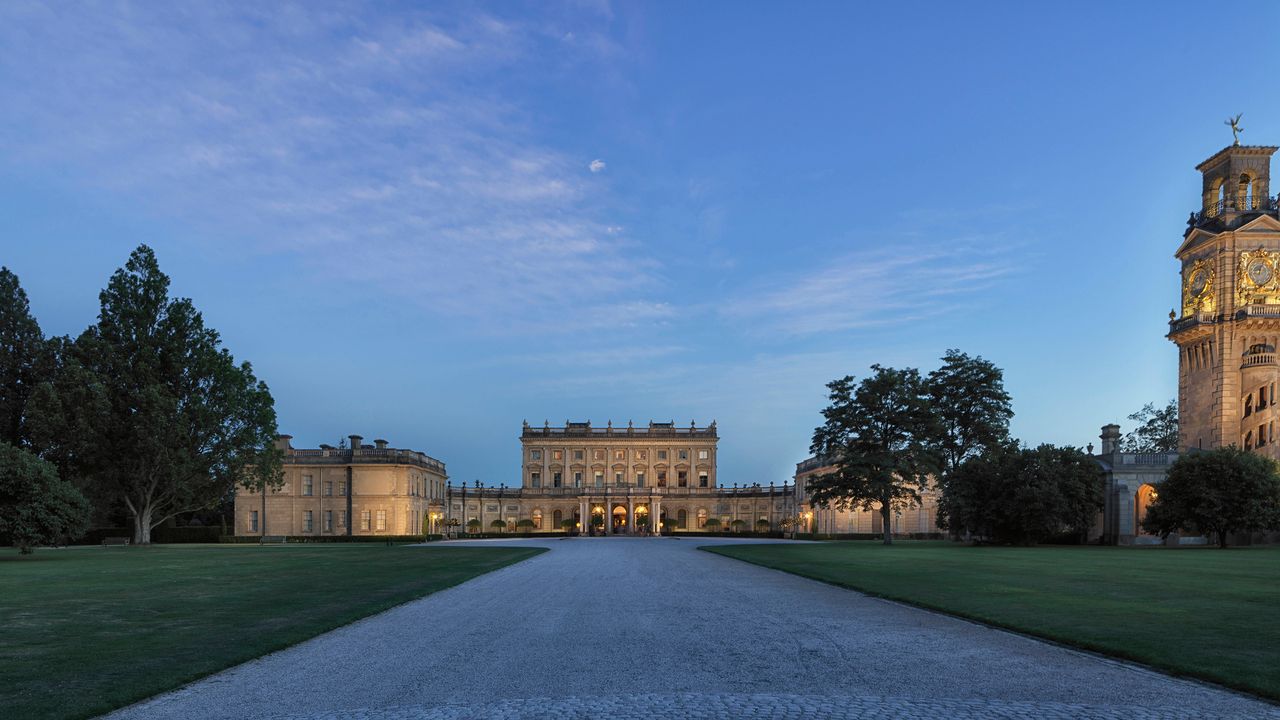
Guest experiences at historical hotels often transcend mere accommodation, evolving into deeply immersive cultural journeys. These narratives not only reflect individual stays but also contribute to the overarching cultural heritage and identity of the hotels. Through shared stories, guests create a communal tapestry that encapsulates the essence of local traditions, history, and the unique ambiance of each establishment.
The testimonies provided by guests serve as invaluable insights into the cultural experiences offered by historical hotels. These narratives are integral to the hotel’s identity, drawing connections between the past and present, and enriching the overall experience for future visitors. Guests frequently recount moments that highlight the interplay between the hotel’s architecture, its historical significance, and the local culture, thereby reinforcing the cultural narrative of the hotel itself.
Testimonials from Guests
Numerous guests have shared profound and memorable experiences that underline the cultural richness of their stays at historical hotels. Their stories often reveal a commonality in the themes of discovery, connection, and appreciation of local heritage.
-
“Staying at the old manor felt like stepping back in time. The intricate woodwork and antique furnishings were beautifully preserved, and each corner had a story to tell. The evening storytelling session by the fireplace was a highlight of my trip.” – Emily R., Guest at The Grand Manor Hotel
-
“I was able to participate in a traditional cooking class that showcased the region’s culinary heritage. The recipes have been passed down for generations, and it was fascinating to learn the techniques and stories behind each dish.” – Marcus T., Guest at Heritage House Inn
-
“The hotel’s guided historical tours introduced me to the local legends and folklore. I left with a deeper understanding of the community and its traditions. It was more than just a place to sleep; it was a cultural immersion.” – Sarah L., Guest at The Old Town Hotel
The stories from past guests contribute significantly to the hotel’s cultural narrative. They create a living history that resonates with new visitors, allowing them to forge connections to the past. Each narrative builds upon the other, adding layers of meaning to the overall experience.
Thematic Elements in Guest Experiences
Common themes arise in guest narratives that reflect their interactions with the local culture. These shared experiences often highlight the following aspects:
-
Connection to Local History: Guests frequently recount how the hotel’s history intertwines with significant local events, enhancing their understanding of the region.
-
Authentic Cultural Engagement: Many guests express gratitude for opportunities to engage with local artisans, participate in traditional festivals, or learn local crafts, fostering a connection with the community.
-
Personal Transformation: Visitors often describe transformative experiences during their stays that encourage introspection and a newfound appreciation for different cultures.
These themes are crucial in developing a cultural narrative that not only speaks to the heritage of the hotel but also to the collective identity of the community it represents. By immersing themselves in the local culture, guests become part of a larger story, one that is continuously being written with each new experience shared.
Preservation and Restoration Efforts
Preserving historical hotels is vital for maintaining cultural heritage and providing future generations with a tangible connection to the past. These establishments serve not only as places to stay but also as embodiments of local history, architecture, and traditions that shape community identities. The efforts to restore and maintain these sites are crucial for both tourism and education, offering insights into historical events and the evolution of architectural styles.
The methods used to restore historical hotels focus on striking a balance between modern functionality and the preservation of cultural integrity. Techniques include using original materials wherever possible, engaging heritage consultants to advise on restoration practices, and implementing sustainable practices that respect the environment and historical context.
Methods of Restoration and Preservation
Various approaches are employed to ensure that the restoration of historical hotels honors their original character while also meeting current safety and comfort standards. These methods encompass a range of techniques:
- Authentic Material Use: Restoration projects often prioritize the use of original building materials, such as bricks, wood, and plaster, to maintain the building’s historical authenticity.
- Adaptive Reuse: This method involves repurposing spaces within the hotel to meet modern needs while preserving their historical significance. For instance, old ballrooms may be converted into conference rooms.
- Heritage Impact Assessments: Conducting assessments helps identify the historical significance of a building, guiding restoration efforts that align with preservation standards.
- Community Involvement: Engaging local communities in the restoration process fosters a sense of ownership and ensures that the hotel reflects the cultural landscape it inhabits.
Successful Case Studies, Historical hotels with rich cultural experiences
Numerous successful preservation projects highlight the positive impacts of maintaining historical hotels on local culture and economics. For example, the restoration of the Hotel del Coronado in California not only preserved its Victorian architecture but also revitalized tourism in the area, showcasing its historical significance through guided tours and educational programs.
Another notable example is the Fairmont Banff Springs Hotel in Canada, which has undergone extensive restoration while maintaining its iconic Scottish baronial style. The hotel attracts visitors from around the world, contributing to the local economy and emphasizing the importance of historical preservation in fostering cultural tourism.
“Preservation of our historical hotels is a commitment to safeguarding the narratives that define our communities and connect us to our past.”
Economic Impact of Historical Hotels
Historical hotels are not merely accommodations; they serve as vital economic engines for their local communities. By attracting tourists who seek immersive experiences steeped in history and culture, these hotels significantly contribute to the local economy. The presence of a historical hotel can catalyze growth in various sectors, including retail, dining, and cultural attractions, fostering a symbiotic relationship between the hotel and its surroundings.
The economic benefits that historical hotels provide extend beyond mere job creation. They stimulate tourism, which is often a primary source of revenue for many locales. According to a 2022 report by the World Tourism Organization, destinations with culturally rich hotels have seen increases in visitor numbers by over 30% compared to those without such establishments. This surge in tourism translates into higher revenue for local businesses and increased tax income for municipalities.
Tourism Growth Linked to Historical Hotels
The relationship between tourism growth and the presence of historical hotels can be illustrated through various metrics. The economic influence of these hotels is multifaceted and can be summarized as follows:
- Increased Visitor Spending: Tourists drawn to historical hotels tend to spend more on local attractions, dining, and shopping, often exceeding average visitor spending by up to 50%.
- Job Creation: Historical hotels generate direct employment opportunities, from hospitality staff to management, and indirectly support jobs in nearby businesses, contributing to a larger employment boom in the area.
- Extended Tourist Stays: Visitors to historical hotels often extend their stays to explore surrounding cultural sites, which leads to increased occupancy rates in local accommodations.
- Community Investment: Many historical hotels invest in local infrastructure and community events, enhancing the attractiveness of the area for both tourists and residents.
Partnerships with Local Artisans and Cultural Organizations
Historical hotels frequently establish partnerships with local artisans and cultural organizations to enhance guest experiences and promote the area’s heritage. These collaborations not only enrich the offerings of the hotels but also bolster the local economy by supporting small businesses and creative industries.
These partnerships can take various forms:
- Cultural Workshops: Many historical hotels offer workshops led by local artisans, such as pottery, weaving, or cooking classes, allowing guests to engage directly with the culture.
- Local Art Exhibitions: Hotels often showcase artwork from local artists, creating a gallery-like atmosphere that promotes the local art scene while providing exposure for the artists.
- Event Collaborations: Historical hotels partner with cultural organizations to host events, such as music festivals or historical reenactments, drawing larger crowds and fostering a sense of community.
These initiatives not only enhance the guest experience but also strengthen the economic fabric of the community, ensuring that historical hotels contribute meaningfully to the cultural and economic landscape.
Recommendations for Travelers
Traveling to historical hotels can offer an immersive experience that transcends mere accommodation; it allows guests to engage deeply with the local culture and history. When choosing a historical hotel, it’s essential to consider how these establishments enhance your travel experience through cultural offerings and unique narratives. This guide provides valuable insights into selecting these treasures and fully enjoying your stay.
Must-Visit Historical Hotels
The following historical hotels provide not only comfortable lodging but also rich cultural experiences that highlight the unique heritage of their locations. These selections are noteworthy for their architecture, history, and local engagements:
- The Ritz Paris, France: Known for its opulent history, this hotel has hosted numerous celebrities and dignitaries. Guests can participate in cooking classes that reflect French culinary traditions.
- The Fairmont Banff Springs, Canada: Nestled in the Canadian Rockies, this castle-like hotel offers guided historical tours that reveal the stories behind its construction and the surrounding area.
- Hotel Del Coronado, California, USA: This beachfront property has been an icon since 1888. Its rich history is complemented by ghost tours and vintage-style tea experiences.
- Hotel Nacional de Cuba, Havana: A national monument, this hotel offers visitors a glimpse into Cuba’s past through its art deco architecture and cultural events featuring local music and dance.
- Mandarin Oriental, Bangkok, Thailand: This hotel has a literary history and hosts traditional Thai cooking classes as well as cultural performances, enriching the guest experience.
Choosing a Historical Hotel Based on Cultural Offerings
When selecting a historical hotel, understanding the cultural offerings can greatly enhance your stay. Consider the following criteria to ensure an enriching experience:
- Historical Significance: Research the hotel’s history and its impact on the local culture. Look for properties that are recognized as monuments or that have hosted significant events.
- Cultural Programs: Check if the hotel offers guided tours, cooking classes, or workshops that reflect local traditions. Active engagement often leads to deeper connections with the culture.
- Architectural Heritage: Investigate the architectural style and era of the hotel. Staying in a property that embodies the local aesthetic can enrich your understanding of the region’s history.
- Community Involvement: Look for hotels that collaborate with local artisans and businesses, which can help you discover authentic cultural experiences while supporting the local economy.
- Guest Reviews: Read testimonials from previous guests regarding their cultural experiences at the hotel. Positive feedback can provide insights into what to expect.
Engaging with Local Culture While Staying at Historical Hotels
To fully immerse yourself in the local culture during your stay at a historical hotel, consider these effective strategies:
- Participate in Local Events: Many historical hotels host or are located near festivals and cultural events. Engaging with these activities can lead to memorable experiences.
- Join Guided Tours: Take advantage of in-house tours that explore both the hotel’s history and nearby attractions, providing a comprehensive understanding of the locale.
- Dine on Local Cuisine: Enjoy meals that reflect regional culinary traditions, often prepared using local ingredients. This not only satisfies your palate but also deepens your connection to the culture.
- Interact with Staff: Hotel staff can be a wealth of knowledge about local customs and attractions. Engaging them in conversation can enhance your understanding of the area.
- Explore Surrounding Neighborhoods: Venture beyond the hotel to discover local markets, art galleries, and cultural institutions. This exploration can reveal the community’s unique stories and traditions.
When planning a family vacation, choosing the right accommodation is crucial. Opt for family hotels with kid-friendly amenities and services that cater to both parents and children. These hotels often feature activities for kids, play areas, and family-friendly dining options, ensuring that everyone has a delightful experience while creating lasting memories together.
Finding the perfect getaway for your family can be a challenge, especially when you need accommodations that cater to children. That’s why discovering family hotels with kid-friendly amenities and services is essential. These hotels not only provide comfortable rooms but also offer activities and facilities designed to keep your little ones entertained, ensuring a stress-free vacation for everyone.