Luxury hotels with specialized wellness programs for guests sets the stage for an enthralling narrative about the evolving landscape of wellness tourism. As more travelers seek rejuvenation and holistic experiences, luxury hotels are redefining their offerings to include a range of wellness programs that cater to both body and mind. From innovative spa treatments to personalized fitness regimens, these hotels not only focus on lavish accommodations but also create environments that promote health and well-being.
With the growing trend of wellness tourism, these establishments have begun to recognize the importance of integrating wellness into their core services. Guests can expect immersive experiences that combine relaxation with activities designed to nourish their physical health and mental clarity. The emphasis on unique wellness programs highlights an essential shift in how luxury accommodations are perceived, marking a significant departure from traditional hospitality offerings.






Overview of Luxury Hotels with Wellness Programs
In an era where wellbeing takes center stage, luxury hotels have emerged as sanctuaries that prioritize wellness alongside lavish accommodations. These establishments not only offer opulent amenities but also curate specialized wellness programs designed to rejuvenate both body and mind. As more travelers seek holistic experiences, the integration of wellness into luxury hospitality has become a pivotal trend shaping the industry.
The concept of luxury hotels has evolved significantly, moving beyond mere extravagance to encompass an emphasis on health and wellness. This shift is largely driven by the growing demand for wellness tourism, which has seen a remarkable rise in recent years. According to the Global Wellness Institute, wellness tourism is expected to grow by 20% annually, highlighting the increasing importance of wellness-centric offerings in the luxury hotel sector. Guests are now looking for more than just a place to stay; they seek transformative experiences that promote relaxation, health, and personal growth.
Trends in Wellness Tourism and Their Impact
The surge in wellness tourism has led luxury hotels to rethink their service offerings. Understanding these trends helps to define the unique aspects of wellness programs that appeal to guests. The following points illustrate how these trends manifest in luxury hotel offerings:
- Mindfulness and Meditation: Many luxury hotels incorporate mindfulness practices, such as meditation sessions and guided yoga classes, which cater to guests seeking mental clarity and relaxation.
- Holistic Treatments: Spas within luxury hotels have expanded their menus to include holistic treatments, blending traditional therapies with modern techniques to enhance guests’ physical and emotional wellbeing.
- Nutritional Wellness: High-end hotels are increasingly offering plant-based menus and nutritional consultations, recognizing the importance of diet in overall health.
- Customized Wellness Retreats: Tailored wellness retreats that focus on specific goals, like detoxification or stress relief, are becoming common, allowing guests to choose programs that fit their personal wellness aspirations.
- Wellness Travel Packages: Many luxury hotels are launching all-inclusive wellness packages that combine accommodation with activities such as fitness classes, spa treatments, and wellness cuisine.
Key Features of Wellness Programs in Luxury Hotels
Wellness programs in luxury hotels possess distinct characteristics that set them apart from standard offerings. These elements are crucial in attracting guests who prioritize their health and wellbeing during their stay. The following features are commonly found in these programs:
- Expert Guidance: Luxury hotels often employ wellness experts, including nutritionists, personal trainers, and wellness coaches, to provide guests with tailored advice and support.
- State-of-the-Art Facilities: From fitness centers equipped with the latest technology to serene spa environments, high-end wellness facilities play a significant role in enhancing guests’ experiences.
- Integrative Wellness Experiences: Many hotels now offer programs that combine physical activity, relaxation techniques, and spiritual practices for a holistic approach to wellness.
- Sustainability Practices: An increasing number of luxury hotels are adopting sustainability initiatives, such as organic garden produce in their menus and eco-friendly spa products, appealing to environmentally conscious travelers.
- Community Engagement: Some luxury wellness hotels promote local culture by integrating community-based wellness experiences, allowing guests to participate in local traditions and practices.
“Luxury is not just about what you have, but how you feel—wellness programs transform luxury stays into holistic experiences.”
Types of Specialized Wellness Programs
Luxury hotels are increasingly recognizing the importance of wellness in enhancing guest experiences. These establishments go beyond traditional accommodations by offering specialized wellness programs that cater to the holistic needs of their guests. The integration of body, mind, and spirit in these programs often leads to rejuvenation and an overall sense of well-being during a luxurious stay.
The various wellness programs provided by luxury hotels encompass a wide range of services designed to promote physical fitness, relaxation, and nutritional health. These programs often include spa treatments, fitness classes, and holistic therapies, all tailored to meet the unique preferences of each guest. Many hotels also emphasize the importance of nutrition in their dining experiences, allowing guests to indulge in wellness cuisine that complements their health goals.
Spa Treatments
Spa treatments are a cornerstone of wellness programs at luxury hotels. These treatments are designed not only to pamper guests but also to address specific physical and mental needs. Common spa services include:
- Massage Therapy: A variety of techniques such as Swedish, deep tissue, and aromatherapy are offered to relieve stress and tension.
- Facial Treatments: Customized facials using organic and natural products promote skin health and rejuvenation.
- Body Scrubs and Wraps: Exfoliating and hydrating treatments that cleanse and nourish the skin, often incorporating local ingredients.
- Hydrotherapy: Soaking in mineral-rich baths or using thermal pools to relax muscles and detoxify the body.
These treatments are often paired with tranquil environments, expert therapists, and high-quality products, enhancing the overall wellness experience.
Fitness Classes
Fitness classes at luxury hotels cater to guests looking to maintain or enhance their physical fitness during their stay. These classes often feature a diverse range of activities, providing options for all fitness levels. Notable offerings include:
- Yoga: Classes ranging from restorative to vinyasa flow, focusing on flexibility, strength, and mindfulness.
- Pilates: Sessions that emphasize core strength, posture, and alignment, often using specialized equipment.
- Aerobics and Dance: Fun and energetic classes that combine fitness with rhythm and movement.
- Outdoor Activities: Hiking, biking, and water sports that take advantage of the hotel’s natural surroundings, promoting fitness while connecting with nature.
By offering a variety of options, luxury hotels ensure that guests can find classes that resonate with their interests and fitness goals.
Holistic Therapies, Luxury hotels with specialized wellness programs for guests
Holistic therapies aim to treat the whole person, focusing on emotional, spiritual, and physical wellness. Luxury hotels often provide a range of these therapies, helping guests achieve a deeper sense of balance and tranquility. Some popular holistic therapies include:
- Meditation and Mindfulness: Guided sessions to cultivate mental clarity and emotional well-being.
- Acupuncture: Traditional Chinese medicine practice that involves the insertion of needles to alleviate pain and promote healing.
- Reiki and Energy Healing: Techniques that channel energy to promote relaxation and healing, tapping into the body’s natural energies.
- Sound Therapy: Using sound vibrations from instruments like singing bowls to facilitate deep relaxation and emotional release.
These therapies contribute to a holistic approach to wellness, allowing guests to return to their daily lives rejuvenated and centered.
Nutrition and Wellness Cuisine
Nutrition plays a crucial role in wellness, and luxury hotels are increasingly incorporating wellness cuisine into their dining experiences. These culinary offerings are carefully crafted to enhance guests’ health and well-being, featuring:
- Organic Ingredients: Many hotels prioritize locally sourced and organic produce, free from harmful pesticides and chemicals.
- Balanced Meal Options: Menus designed by nutritionists to provide a balance of proteins, healthy fats, and carbohydrates, catering to various dietary preferences.
- Mindful Eating Experiences: Opportunities for guests to engage in mindful dining practices, promoting awareness and appreciation of food.
- Detox and Cleanse Programs: Specialized meal plans that support detoxification, often paired with spa treatments for maximum benefit.
By focusing on nutrition, luxury hotels help guests foster a deeper connection with their food and its impact on their overall health, enhancing their wellness journey during their stay.
Benefits of Wellness Programs for Guests

Luxury hotels that offer specialized wellness programs provide a unique opportunity for guests to rejuvenate both physically and mentally. These programs, ranging from yoga and meditation retreats to holistic health workshops, are designed not only to pamper but also to promote long-lasting well-being. Guests who immerse themselves in these wellness experiences find themselves equipped with tools and insights that can enhance their quality of life long after they leave the hotel.
Participation in wellness programs yields numerous physical and mental health benefits. Engaging in structured activities such as yoga, spa treatments, or mindfulness practices can lead to improved flexibility, strength, and cardiovascular health. On the mental front, these programs often help in reducing stress, anxiety, and improving overall mood through mindfulness and relaxation techniques. The holistic approach of these programs encourages guests to adopt healthier habits that can lead to sustained well-being.
Physical and Mental Health Benefits
The benefits derived from wellness programs can be extensive and multifaceted. Here are some key advantages that guests can expect:
- Improved Physical Health: Regular participation in wellness activities enhances cardiovascular fitness, boosts immunity, and aids in weight management.
- Enhanced Mental Clarity: Practices such as meditation and mindfulness increase focus and cognitive function, helping guests return to their daily lives with renewed clarity.
- Stress Reduction: Engaging in calming activities significantly reduces cortisol levels, leading to lower stress and anxiety.
- Increased Energy Levels: Combating fatigue through fitness routines and balanced nutrition can restore energy, allowing for a more active lifestyle.
- Better Sleep Quality: The integration of relaxation techniques improves sleep patterns, contributing to overall health.
Numerous testimonials from guests who have participated in wellness programs highlight the transformative experiences they undergo. One guest at a luxury resort in Bali remarked, “The yoga sessions and spa treatments helped me reconnect with myself. I left not just relaxed, but with a clear mind and a renewed sense of purpose.” Such feedback underscores the profound impact these programs can have on individuals’ lives.
Long-term Benefits Compared to Traditional Hotel Stays
Wellness programs not only provide immediate relaxation but also foster long-term health benefits that traditional hotel stays often lack. Unlike conventional accommodations that focus primarily on comfort, wellness offerings equip guests with lifestyle changes that can last a lifetime.
The following points illustrate the contrast between the two experiences:
- Skill Development: Wellness programs teach skills—like meditation techniques or nutritional knowledge—that guests can apply long after their stay.
- Community Connection: Participating in group activities fosters a sense of belonging, promoting social ties that can be beneficial for mental health.
- Holistic Approach: Wellness stays address both mental and physical well-being, whereas traditional hotel stays typically focus on accommodation and leisure.
- Accountability and Support: Engaging in a structured program provides guests with the support they need to maintain their wellness journey post-stay.
In summary, the benefits of wellness programs extend far beyond the immediate gratification of a luxurious stay, offering guests invaluable tools for sustainable health and well-being.
Case Studies of Notable Luxury Hotels
Luxury hotels around the world have increasingly integrated specialized wellness programs into their offerings, recognizing the growing demand for health and well-being among travelers. These programs not only enhance the guest experience but also promote a holistic approach to relaxation and rejuvenation. Below are some notable luxury hotels that have set the bar high with their exceptional wellness initiatives.
Notable Luxury Hotels with Exceptional Wellness Programs
The following hotels are exemplary in their commitment to wellness, providing unique offerings that cater to the diverse needs of their guests. Each hotel has developed distinctive wellness features that reflect their brand ethos and the environment in which they operate.
- Six Senses Zighy Bay, Oman: Nestled in the Musandam Peninsula, this resort offers a variety of wellness experiences, including holistic treatments inspired by traditional Arabian practices. The resort’s extensive spa features locally sourced ingredients and therapies that aim to rejuvenate both body and mind.
- SHA Wellness Clinic, Spain: Known for its focus on integrative health, SHA combines traditional Eastern techniques with Western wellness practices. The clinic offers tailored programs including detox, weight loss, and anti-aging therapies, all designed by a team of health professionals.
- Amanpuri, Thailand: This luxury resort features a dedicated wellness center that offers personalized treatments, yoga sessions, and mindfulness practices, all set against the backdrop of Thailand’s serene beaches. The Amanpuri wellness philosophy emphasizes physical, mental, and spiritual harmony.
- Cal-a-Vie Health Spa, USA: Located in California, this exclusive spa offers a comprehensive wellness program that includes fitness classes, nutrition workshops, and spa treatments in a tranquil setting. Its holistic approach encourages guests to take charge of their well-being.
- The Mulia, Bali: This luxury resort is renowned for its extensive wellness facilities, including a state-of-the-art fitness center, a wellness-focused menu, and a variety of spa treatments that utilize local Balinese traditions.
Comparison of Wellness Features of Different Luxury Hotels
The following table highlights the distinctive wellness features offered by the selected luxury hotels. This comparison showcases how each hotel tailors its wellness programs to enhance the guest experience.
| Hotel Name | Location | Wellness Features | Signature Treatments |
|---|---|---|---|
| Six Senses Zighy Bay | Oman | Holistic treatments, organic spa products | Traditional Arabian massage |
| SHA Wellness Clinic | Spain | Detox programs, personalized health plans | Acupuncture and rejuvenating facials |
| Amanpuri | Thailand | Yoga, mindfulness workshops | Thai herbal compress massage |
| Cal-a-Vie Health Spa | USA | Fitness classes, nutrition counseling | Signature Cal-a-Vie massage |
| The Mulia | Bali | Bali-inspired treatments, wellness cuisine | Balinese massage with essential oils |
These luxury hotels exemplify how exceptional wellness programs can enhance the overall guest experience, providing a sanctuary for relaxation and rejuvenation.
Designing an Ideal Wellness Program
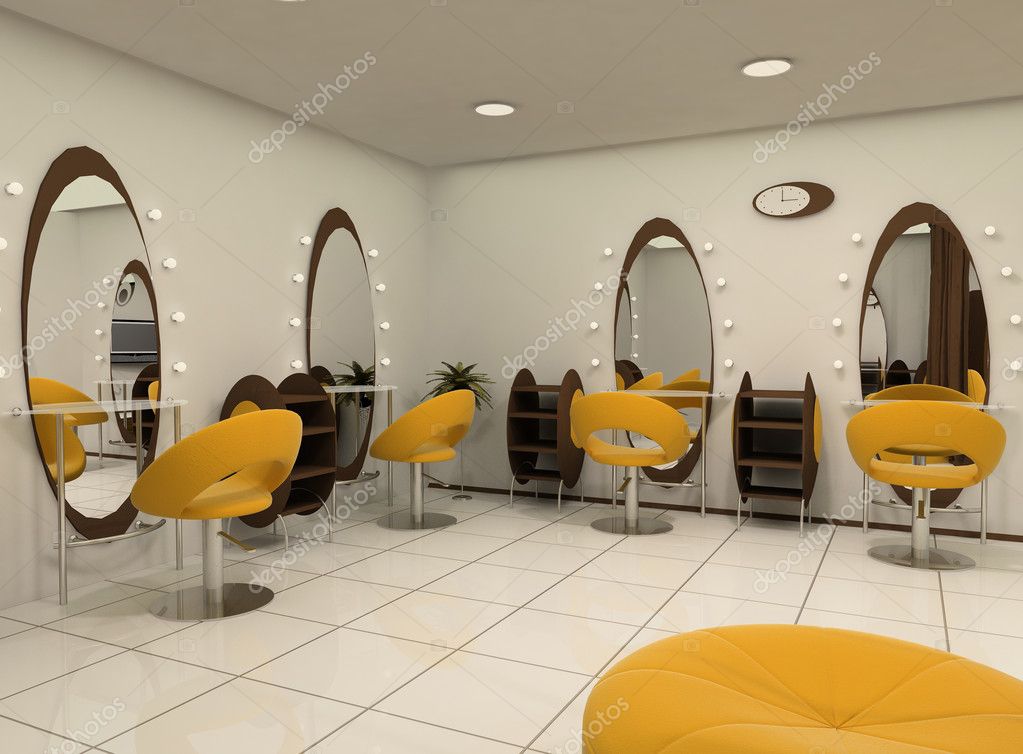
In the realm of luxury hospitality, wellness programs have evolved beyond mere amenities to become integral experiences that enhance a guest’s overall stay. An ideal wellness program addresses the holistic needs of guests, harmonizing physical, mental, and emotional well-being. By integrating these elements, luxury hotels can create a sanctuary that fosters rejuvenation and personal growth.
To design an effective wellness program, it is essential to consider several key components that cater specifically to the needs and preferences of guests. These components not only enrich the luxury experience but also ensure that the wellness offerings resonate deeply with individual guests.
Essential Components of a Wellness Program
An ideal wellness program should encompass various essential components that collectively contribute to a transformative experience. These components include:
- Comprehensive Offerings: A successful wellness program should feature a range of services, including spa treatments, fitness classes, nutrition consultations, and mindfulness activities.
- Expert Guidance: Employing qualified wellness professionals, such as nutritionists, personal trainers, and holistic therapists, ensures that guests receive tailored advice and support.
- Personalized Experiences: Customizing wellness activities based on guest preferences and health goals enhances engagement and effectiveness, fostering a deeper connection to the program.
- Use of Natural Elements: Integrating nature into the wellness experience, such as outdoor yoga or nature walks, promotes tranquility and connection to the environment.
- Holistic Approach: Addressing the mind, body, and spirit through various practices, including meditation, aromatherapy, and sound healing, encourages overall wellness.
Importance of Personalizing Wellness Experiences
Personalization is paramount in wellness programming. Understanding the unique needs, preferences, and goals of each guest allows luxury hotels to curate experiences that resonate on a personal level. This tailored approach increases guest satisfaction and loyalty, as guests feel valued and understood.
Implementing assessment tools, such as wellness questionnaires or consultations upon arrival, can help identify individual wellness goals. These insights can guide the customization of services, ensuring that each guest’s experience is not only luxurious but also transformative and meaningful.
Framework for Designing Effective Wellness Programs
A structured framework is vital for the successful implementation of wellness programs in luxury hotels. This framework should include:
- Assessment Phase: Conduct initial assessments to understand guest wellness goals, preferences, and any specific health considerations.
- Program Development: Design a diverse menu of wellness services and activities that address various aspects of well-being.
- Staff Training: Train staff thoroughly on the wellness offerings, including the benefits and unique features of each service, ensuring they can provide knowledgeable recommendations.
- Feedback Mechanism: Establish a system for collecting guest feedback to continually improve the wellness offerings and address any emerging needs effectively.
- Marketing and Promotion: Develop a robust marketing strategy to communicate the wellness program to potential guests, highlighting the unique aspects and benefits of the offerings.
Marketing Strategies for Wellness Programs: Luxury Hotels With Specialized Wellness Programs For Guests
Luxury hotels are increasingly harnessing the potential of wellness programs, recognizing the growing demand for health-focused travel experiences among discerning guests. As competition intensifies in the hospitality sector, effective marketing strategies become essential in promoting these specialized wellness offerings. This segment will explore innovative techniques used by luxury hotels to attract wellness travelers, identify key demographics, and analyze the impact of social media in shaping perceptions around wellness initiatives.
Effective Marketing Techniques for Wellness Offerings
Luxury hotels are adopting a multi-faceted approach to market their wellness programs, employing a variety of techniques to effectively reach potential guests. These strategies not only highlight the unique aspects of their wellness offerings but also align with the broader trends in the wellness tourism industry.
- Content Marketing: Creating engaging content that highlights the benefits of wellness programs, including blog posts, videos, and social media stories featuring wellness routines, guest testimonials, and expert interviews. This helps in building a narrative around the health benefits available at the hotel.
- Partnerships with Wellness Influencers: Collaborating with wellness influencers or experts to promote programs through authentic endorsements can significantly enhance visibility and credibility, reaching a targeted audience that values health and wellness.
- Packages and Promotions: Offering exclusive wellness packages that combine accommodations with spa treatments, fitness classes, or nutrition workshops can entice guests to choose their hotel over competitors, providing value and focus on health.
- Personalized Email Campaigns: Sending tailored emails to previous guests, offering bespoke wellness experiences based on their past preferences and interests, fostering a sense of connection and encouraging repeat visits.
Target Demographics for Wellness Programs
Understanding the target demographics is crucial for luxury hotels aiming to market their wellness programs effectively. These programs cater to various segments, each with unique preferences and health motivations.
- Health-conscious Travelers: Individuals seeking rejuvenation and self-care experiences are often interested in holistic wellness retreats, focusing on mental, physical, and spiritual well-being.
- Corporate Clients: Companies looking for team-building retreats often prioritize wellness programs as part of employee engagement, enhancing productivity and overall workplace well-being.
- Aging Population: Seniors are increasingly seeking travel options that offer health support, including specialized wellness programs that focus on mobility, mindfulness, and relaxation.
- Millennials: This generation values experiences over material goods, making them a key demographic for wellness travel, particularly those focused on yoga, fitness classes, and sustainable practices.
The Role of Social Media in Marketing Wellness Initiatives
Social media has emerged as a powerful tool for luxury hotels to market their wellness initiatives, allowing for engaging interaction with potential guests and the broader wellness community.
- Visual Storytelling: Platforms like Instagram and Pinterest are perfect for showcasing serene environments, wellness activities, and transformative guest experiences through high-quality imagery, creating an aspirational narrative that resonates with users seeking relaxation and rejuvenation.
- User-generated Content: Encouraging guests to share their own wellness experiences on social media amplifies credibility, as authentic testimonials and reviews can influence the decision-making process of prospective travelers.
- Targeted Advertising: Utilizing social media advertising allows luxury hotels to target specific demographics with tailored messages, ensuring that wellness offerings are presented to the right audience at the right time.
- Engagement through Challenges and Campaigns: Creating wellness challenges or campaigns that invite followers to participate can foster community engagement and create a buzz around wellness offerings, enhancing brand loyalty.
Future Trends in Wellness Hospitality

As the luxury hotel sector continues to evolve, wellness hospitality is becoming a cornerstone of the guest experience. The integration of wellness programs is no longer a mere add-on but a fundamental aspect that shapes the entire guest journey. Emerging trends indicate that hotels are not just places to stay, but sanctuaries for guests seeking rejuvenation and improved well-being.
The influence of technology on wellness programs is profound, facilitating tailored experiences that cater to individual wellness needs. Innovations such as wearable health technology, virtual wellness coaching, and immersive wellness environments are transforming how guests interact with wellness services. As the demand for holistic health solutions grows, hotels are adapting to meet these expectations, creating a more personalized and engaging wellness journey for their guests.
Emerging Trends in Wellness Hospitality
The luxury hotel sector is embracing several emerging trends that highlight the ongoing evolution of wellness hospitality. These trends reflect changing guest preferences and the industry’s response to new health insights. Some notable trends include:
- Personalized Wellness Experiences: Hotels are increasingly offering customized wellness programs that cater to individual guest preferences, utilizing guest data to tailor services such as spa treatments, fitness plans, and dietary options.
- Sustainable Wellness Practices: Many luxury hotels are prioritizing sustainability by incorporating eco-friendly practices into their wellness offerings, such as organic spa products, locally sourced cuisine, and green building certifications.
- Mindfulness and Mental Well-Being: Programs focused on mental health, such as meditation sessions, mindfulness workshops, and digital detox retreats, are gaining popularity as more guests seek to balance their mental and emotional well-being.
- Integrative Health Approaches: The integration of traditional and alternative therapies, such as Ayurveda or Chinese medicine, into hotel wellness programs provides guests with a broader range of options to enhance their health.
- Wellness Technology Integration: The use of apps to track wellness progress, virtual classes, and augmented reality experiences for relaxation and fitness is increasingly common in luxury hotels.
“The future of wellness hospitality lies in the ability of hotels to create personalized, sustainable, and technology-driven experiences that resonate deeply with guests.”
Impact of Technology on Wellness Programs
The role of technology in shaping wellness programs within luxury hotels cannot be overstated. Innovations are enhancing the guest experience and creating unprecedented opportunities for personalization and engagement. Key technological influences include:
- Wearable Devices: Guests can track their health metrics, such as heart rate, sleep patterns, and activity levels, during their stay, enabling hotels to provide tailored wellness recommendations based on real-time data.
- Virtual Reality (VR) Experiences: VR is being used to create immersive environments for relaxation and meditation, offering guests an escape from everyday stresses without leaving their rooms.
- Telehealth Services: Many hotels are now offering telehealth consultations, allowing guests to access professional advice on wellness and health while traveling.
- Digital Wellness Platforms: These platforms provide access to a range of wellness resources, including fitness classes, nutritional guidance, and wellness coaching, directly from guests’ devices.
Predictions for Wellness Tourism in Luxury Accommodations
As wellness tourism continues to rise, predictions indicate that luxury accommodations will further refine their offerings to meet evolving guest expectations. Expected shifts in wellness tourism include:
- Increased Investment in Wellness Infrastructure: Luxury hotels are likely to dedicate more resources to wellness facilities, such as comprehensive spas, fitness centers, and wellness-focused restaurants.
- Collaborative Partnerships with Wellness Brands: Collaborations between hotels and established wellness brands will enhance credibility and appeal, leading to unique offerings that attract health-conscious travelers.
- Focus on Longevity and Preventative Health: Programs that promote longevity and preventative health measures will become increasingly popular, as guests seek ways to optimize their health during their stay.
- Enhanced Guest Engagement: The use of data analytics to engage guests before, during, and after their stay will be critical in providing a seamless wellness experience that encourages repeat visits.
In this dynamic landscape, luxury hotels that proactively embrace these trends will not only enhance their appeal but also foster deeper connections with their guests, ultimately redefining the luxury travel experience.
If you’re planning a romantic getaway, consider exploring the top-rated luxury hotels perfect for romantic getaways. These exquisite accommodations offer breathtaking views, intimate atmospheres, and unparalleled service that will make your escape truly memorable. Whether it’s a cozy cabin in the mountains or a beachfront villa, there’s a perfect spot waiting for you and your partner to create unforgettable memories together.
Planning a romantic getaway? Look no further than the top-rated luxury hotels perfect for romantic getaways. These exquisite destinations offer unparalleled amenities, stunning views, and intimate settings that create the perfect backdrop for love. Whether you seek a cozy cabin in the mountains or a lavish beachfront resort, these hotels ensure an unforgettable experience for couples.