Customized experiences offered at luxury hotels for visitors are increasingly becoming a hallmark of the hospitality industry, where personalization transforms ordinary stays into memorable journeys. In an era where guests seek more than just a room, luxury hotels are stepping up their game to provide tailored services that cater to individual preferences and desires, reflecting the growing importance of personalization in enhancing guest satisfaction.
Understanding the nuances of customized experiences, hotels are innovating their offerings—from bespoke concierge services to unique amenities that can be tailored to suit the tastes of each visitor. With the aid of technology, luxury hotels are redefining how they interact with guests, utilizing data analytics and mobile applications to anticipate needs and craft unforgettable experiences that resonate on a personal level.






Understanding Customized Experiences
In the realm of luxury hotels, customized experiences represent the zenith of personalized service, tailored specifically to meet the individual preferences and desires of each guest. This concept transcends mere amenities, delving into creating memorable moments that resonate with the guest’s unique identity and expectations. The evolution of hospitality has led to a distinctive focus on personalization, whereby hotels curate experiences that are not only luxurious but also deeply personal.
Personalization in the hospitality industry is pivotal for establishing a lasting connection between the guest and the hotel. By recognizing and addressing the unique needs of each visitor, luxury hotels can create an atmosphere where guests feel valued and understood. This approach not only enhances the overall experience but can also significantly impact customer loyalty, driving repeat business through meaningful interactions. The importance of personalization is underscored by the growing trend towards guest-centric services, where the emphasis is placed on understanding guest preferences and delivering tailored offerings.
Psychological Impacts of Personalized Services
The psychological effects of personalized services on guests’ satisfaction are profound, influencing their overall perception of the hotel and their willingness to recommend it to others. When guests experience tailored services, they often feel a sense of belonging and enhanced emotional connection to the brand. This is crucial in the luxury sector, where guests expect not just exceptional service but also an emotional resonance that elevates their stay.
The following aspects illustrate the psychological benefits of personalized services:
- Increased Satisfaction: Personalized experiences lead to higher levels of satisfaction, as guests perceive that their specific needs and desires are being acknowledged and met.
- Emotional Connection: Tailored services foster a deeper emotional bond between guests and the hotel, often resulting in lasting memories that enhance brand loyalty.
- Perceived Value: Guests are more likely to view personalized services as adding significant value to their stay, justifying premium pricing and enhancing their overall experience.
- Positive Word-of-Mouth: Satisfied guests are more inclined to share their experiences with friends and family, becoming advocates for the hotel brand, thereby increasing its visibility and attracting new patrons.
The impact of personalized services is not merely transactional; it is deeply psychological, affecting how guests perceive their stay and the emotions they associate with their experience. In a competitive luxury market, understanding and implementing customized experiences is not just beneficial—it’s essential for success.
Types of Customized Experiences
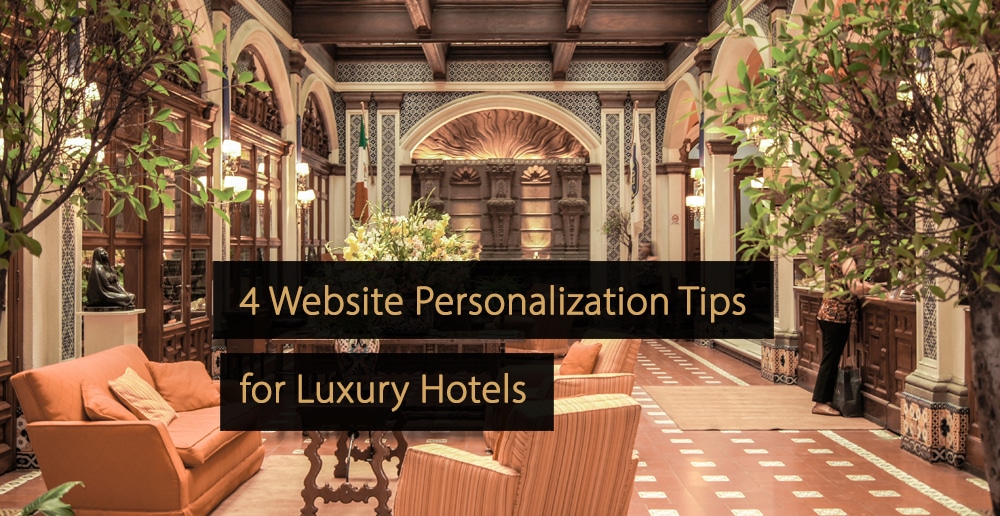
Luxury hotels are redefining the hospitality landscape by offering a plethora of customized experiences that cater to the unique preferences and expectations of their guests. This personalization enhances the overall guest experience, making each stay memorable and distinctive. From tailored itineraries to individual room preferences, luxury hotels curate experiences that cater to the desires of their clientele.
Concierge services play an essential role in crafting these tailored experiences, acting as a bridge between the hotel and its guests. They possess a wealth of local knowledge and can anticipate guests’ needs, facilitating everything from dining reservations to personal excursions. This dedicated approach ensures that every detail is aligned with the guests’ expectations and desires.
Concierge Services in Customized Experiences
Concierge services are pivotal in delivering highly personalized experiences in luxury hotels. These professionals not only provide traditional services such as booking transportation and dining but also go above and beyond to offer unique, tailor-made experiences that reflect the guest’s interests and tastes. Their services include:
- Personalized Itineraries: Creating bespoke travel plans that reflect the guest’s interests, such as art tours, culinary experiences, or adventure activities.
- Exclusive Access: Securing reservations at exclusive restaurants, private events, and cultural experiences that are typically unavailable to the general public.
- Special Occasion Planning: Arranging celebrations such as birthdays or anniversaries with custom decorations, gourmet catering, and personalized gifts.
- Local Insights: Sharing insider tips and recommendations that allow guests to explore the destination like a local, enhancing their overall experience.
Unique Personalized Amenities
Luxury hotels frequently offer a range of unique amenities that can be personalized to enhance the guest experience. These amenities ensure that every aspect of a guest’s stay is tailored to their preferences, promoting a sense of comfort and satisfaction. Examples of such personalized amenities include:
- Pillow Menus: Offering a selection of pillow types, such as memory foam, feather, or aromatherapeutic, allowing guests to choose the one that best suits their sleeping preferences.
- Mini-Bar Selections: Customizing the contents of the mini-bar to align with the guest’s dietary preferences, such as vegan snacks or favorite local beverages.
- Personalized Room Fragrances: Providing guests the option to choose their favorite scent for the room, creating a familiar and comforting atmosphere.
- Customized Bath Products: Allowing guests to select from a range of luxury toiletries and bath products, including organic or hypoallergenic options.
“Luxury is not just about the destination; it’s about the personalized journey we create for each guest.”
Technology and Customized Services
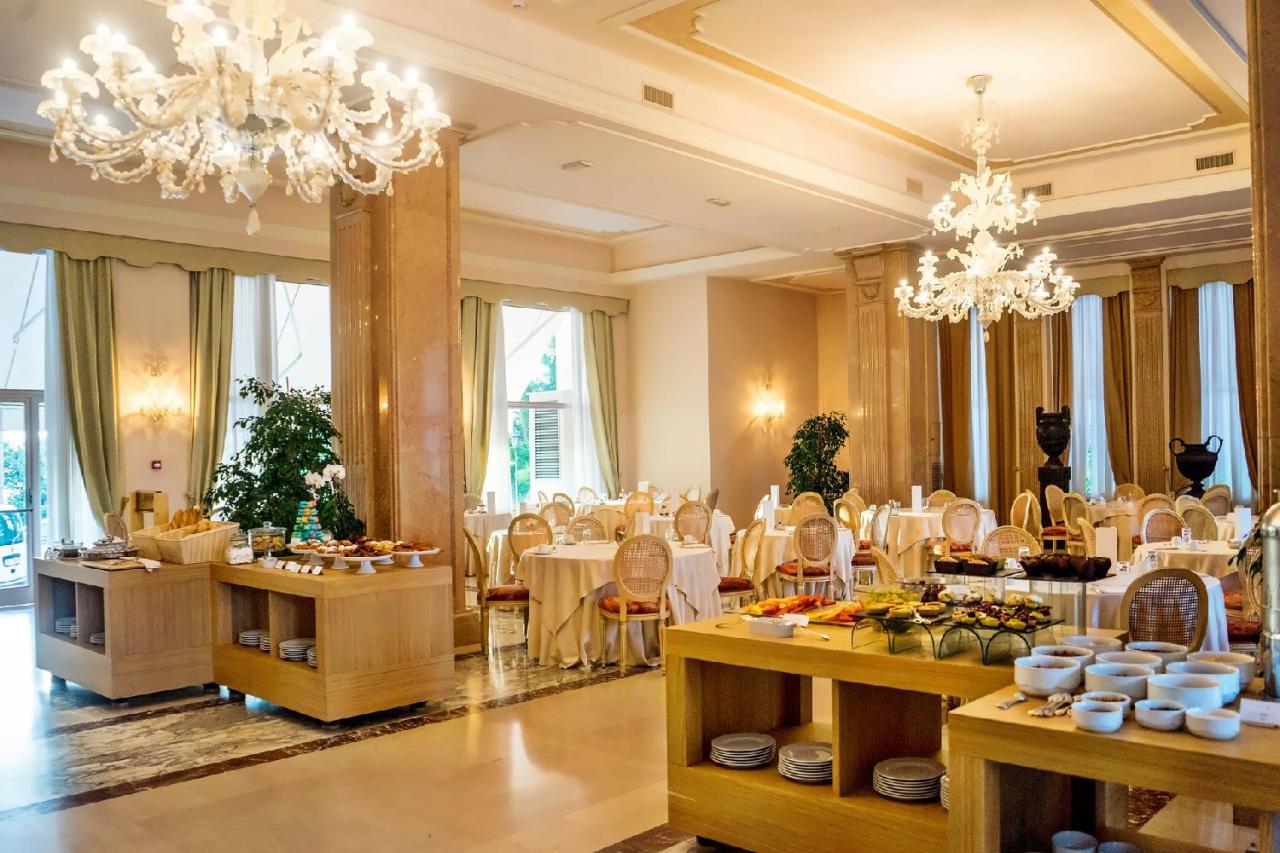
The integration of technology in luxury hotels has revolutionized the way personalized experiences are crafted, ensuring that guests receive services tailored to their individual preferences. From mobile applications to advanced data analytics, hotels are leveraging cutting-edge tools to enhance guest satisfaction and engagement. This technological transformation not only streamlines operations but also fosters deeper connections between guests and the services they receive.
Advancements in technology allow luxury hotels to build a more intimate understanding of their guests’ preferences and behaviors. Mobile apps and platforms have emerged as crucial tools in this endeavor, enabling personalized service delivery that meets the unique needs of every visitor. These technologies facilitate seamless interactions and ensure that guests can customize their experiences with just a few taps on their smartphones.
Mobile Apps and Personalization Platforms
Mobile applications play a significant role in enhancing the guest experience by providing a range of personalized features. These apps often serve as a comprehensive guide to hotel services, enabling guests to tailor their stay according to their preferences. The following features highlight how these platforms support customization:
- Room Control: Many luxury hotels now offer mobile apps that allow guests to control room settings such as lighting, temperature, and entertainment options directly from their devices. This level of control empowers guests to create their ideal environment.
- Personalized Recommendations: Apps can suggest activities, dining options, and amenities based on the guest’s previous stay or stated preferences. This allows for a more personalized itinerary tailored to individual tastes.
- Instant Communication: Through messaging features, guests can communicate directly with hotel staff to request services or make inquiries, ensuring their needs are met promptly without the hassle of phone calls or in-person visits.
- Loyalty Programs: Many hotels integrate loyalty programs into their apps, allowing guests to track rewards and receive personalized offers based on their stay history and preferences, encouraging repeat visits.
Data Analytics in Understanding Guest Preferences, Customized experiences offered at luxury hotels for visitors
The use of data analytics has become integral to the hospitality industry, providing valuable insights into guest preferences and behaviors. By analyzing patterns from past stays, hotels can anticipate the needs of their guests, leading to a more tailored experience. Key aspects of data analytics in this context include:
- Behavior Tracking: Hotels gather data on guest interactions, such as dining choices and service usage. This information helps create a profile that can predict future behavior, allowing for a more customized service offer.
- Feedback Analysis: Guest reviews and feedback collected through various channels can be analyzed to identify common preferences and areas for improvement. This real-time feedback loop enables hotels to adjust services quickly.
- Predictive Analytics: By employing algorithms that analyze historical data, hotels can forecast trends in guest preferences, enabling proactive service adjustments and targeted marketing strategies.
- Segmentation: Data analytics allows hotels to segment guests based on demographics and behaviors, enabling tailored marketing efforts and personalized packages that resonate with specific groups.
“The application of technology in luxury hospitality not only enhances operational efficiency but also establishes a deeper level of guest engagement, ultimately transforming the overall experience.”
Case Studies of Luxury Hotels
In the realm of luxury hospitality, hotels are increasingly focusing on creating customized experiences that cater to the unique preferences of their guests. These tailored offerings not only enhance the overall guest experience but also strengthen customer loyalty. By examining various luxury hotels around the world, we can uncover distinct approaches to personalization and the positive outcomes that follow.
Successful Customization at Renowned Hotels
Several luxury hotels have successfully implemented innovative strategies to provide tailored experiences that resonate with their guests. Here are noteworthy examples:
- The Ritz-Carlton, Tokyo: Known for its exceptional attention to detail, The Ritz-Carlton in Tokyo offers a personalized service known as the “Personal Concierge.” This service allows guests to customize every aspect of their stay, from dining preferences to room temperature settings. The hotel utilizes a sophisticated customer relationship management (CRM) system to track guests’ preferences, ensuring that returning visitors receive a consistently tailored experience.
- Bulgari Resort, Bali: At Bulgari Resort in Bali, a unique approach to customization is evident in their “Bulgari Experience” offerings. Guests can curate their own experiences, including private dining on the beach, personalized spa treatments, and tailored excursions around the island. This initiative is complemented by the staff’s deep understanding of local culture, enabling them to create experiences that are both luxurious and culturally enriching.
- Four Seasons Hotel, Sydney: Four Seasons in Sydney employs a distinctive personalization strategy by leveraging technology. Through their app, guests can communicate their preferences directly with hotel staff before and during their stay. This feature includes customizing room settings, dietary restrictions, and preferred activities. The result has been a significant increase in guest satisfaction and loyalty, leading to a higher rate of repeat visits.
These case studies highlight different methodologies employed by luxury hotels to enhance guest experiences. The outcomes of these customized offerings have been significant, reinforcing customer loyalty and inducing repeat visits driven by personalized service.
Comparative Approaches to Customization by Region
Luxury hotels across various regions have adopted unique strategies to provide customized experiences, reflecting cultural nuances and guest expectations.
| Region | Hotel Example | Customization Strategy | Outcome |
|---|---|---|---|
| Asia | Mandarin Oriental, Bangkok | Personalized wellness programs including yoga sessions and tailored spa treatments. | Increased guest satisfaction and loyalty among wellness-focused travelers. |
| Europe | Hotel de Crillon, Paris | Custom culinary experiences featuring private chefs and personalized menus. | Enhanced brand image and higher rates of returning culinary enthusiasts. |
| North America | The St. Regis, New York | Signature Butler Service offering bespoke arrangements for each guest. | High levels of customer retention due to exceptional personalized service. |
This comparative analysis illustrates how luxury hotels in different regions embrace customization tailored to their clientele’s cultural and personal preferences. The successful implementation of these strategies has demonstrated a clear correlation between enhanced guest experiences and increased loyalty.
“Luxury is in each detail.” – Hubert de Givenchy
The emphasis on detail and personalization in luxury hospitality has proven to create lasting impressions, leading to a more loyal customer base. By understanding and implementing varied approaches to customized experiences, luxury hotels can significantly impact their overall success and reputation in the competitive hospitality industry.
Challenges in Implementing Customized Experiences: Customized Experiences Offered At Luxury Hotels For Visitors

Luxury hotels strive to provide exceptional personalized services that cater to the unique preferences of their guests. However, this ambition often faces several significant challenges that can hinder the successful execution of customized experiences. Understanding these challenges is crucial for luxury hotels aiming to maintain a competitive edge in an increasingly demanding market.
One of the primary challenges faced by luxury hotels is the integration of technology with personalized services. While technology can enhance guest experience, it can also pose a barrier if not implemented effectively. Data collection and analysis are essential for understanding guest preferences, yet many hotels struggle with managing this data securely and efficiently. Additionally, staff training is pivotal; employees must be equipped to utilize technology and interpret data while maintaining a high level of service.
Common Challenges in Personalization
Several common challenges arise in the pursuit of providing personalized services in luxury hotels. Addressing these challenges effectively can significantly enhance the customization process. The following points Artikel these challenges along with potential strategies for overcoming them:
- Data Management: The collection and analysis of guest data can be overwhelming. Hotels must implement efficient systems to gather, store, and utilize guest information securely.
- Staff Training: Employees must be trained not only in using technology but also in understanding customer preferences to provide truly personalized service.
- Balancing Automation and Human Touch: While technology can automate many aspects of service, finding the right balance between automated services and personal interactions is crucial for guest satisfaction.
- Resource Constraints: Limited budgets or staffing can restrict a hotel’s ability to invest in advanced technology or specialized training programs.
- Maintaining Consistency: Ensuring a uniform level of personalized service across various departments can be challenging, leading to inconsistencies that may affect guest experiences.
To effectively address these challenges, luxury hotels can adopt the following best practices:
- Invest in Technology: Utilize advanced Customer Relationship Management (CRM) systems to streamline data collection and analysis.
- Ongoing Staff Training: Implement continuous training initiatives to enhance employee skills in both technology use and customer service.
- Personalization Tools: Utilize tools that allow guests to customize their preferences during the booking process, ensuring a more tailored stay.
- Feedback Mechanisms: Establish regular guest feedback systems to continually improve the personalization process based on guest experiences.
- Cross-Department Collaboration: Encourage communication and collaboration between departments to ensure a cohesive approach to guest service and personalization.
“Understanding the nuances of guest preferences is the cornerstone of delivering exceptional personalized experiences in luxury hospitality.”
Future Trends in Customized Hotel Experiences
The landscape of luxury hotel experiences is evolving rapidly, driven by technological advancements and changing guest expectations. As travelers increasingly seek personalized interactions and tailored services, hotels are responding with innovative solutions that cater to individual preferences. This segment explores emerging trends in customization, looking at how luxury hotels are shaping the future of guest experiences.
Emerging Trends in Customization
The luxury hotel sector is witnessing several noteworthy trends that prioritize customized experiences. These developments not only enhance guest satisfaction but also differentiate brands in a competitive market. Key trends include:
- Personalized Pre-Arrival Services: Many hotels are beginning to offer tailored services even before guests arrive. This includes personalized greetings, customized itineraries based on preferences shared during booking, and the option to choose room ambiance settings prior to check-in.
- Data-Driven Personalization: Utilizing guest data collected through loyalty programs and previous stays, hotels are crafting unique experiences that address individual tastes, from preferred room types to favorite dining options.
- Wellness and Well-Being Focus: As health and wellness become central to travel experiences, hotels are customizing wellness offerings. This includes curated spa treatments, personalized fitness programs, and meal plans tailored to dietary preferences.
- Experiential Packages: Luxury hotels are increasingly creating packages that combine multiple personalized experiences, such as bespoke city tours, gourmet dining, and exclusive access to local events, allowing guests to create unique memories.
Innovations Shaping the Future
Technological innovations are at the forefront of the customization trend in luxury hotels. The integration of artificial intelligence, machine learning, and Internet of Things (IoT) devices is transforming how hotels manage guest experiences. Some notable innovations include:
- Smart Room Technology: Many hotels now feature smart rooms equipped with voice-activated systems that allow guests to control lighting, temperature, and entertainment options, creating an environment that suits their preferences.
- Chatbots and Virtual Assistants: AI-driven chatbots are increasingly used for real-time communication, enabling guests to make requests, ask questions, and receive recommendations instantly, enhancing the personalization of their experience.
- Augmented Reality Experiences: Some luxury hotels are exploring augmented reality applications to enhance guest interactions, such as virtual tours of hotel amenities or interactive historical insights during local excursions.
- Blockchain for Secure Transactions: Blockchain technology is being utilized for secure and personalized transactions, providing guests with peace of mind regarding their financial information while allowing for tailored loyalty programs.
Predictions for Evolving Guest Expectations
As the hospitality industry continues to adapt, guest expectations are expected to evolve in significant ways. Future travelers will likely demand even more personalization and seamless integration of technology. Expectations may include:
- Hyper-Personalized Experiences: Guests will expect hotels to know their preferences intimately and anticipate their needs, leading to a heightened level of service that goes beyond standard offerings.
- Sustainability and Responsible Travel: As awareness of environmental issues grows, guests will increasingly favor hotels that not only offer customized experiences but also incorporate sustainable practices in their operations.
- Enhanced Connectivity: With the rise of digital nomadism, guests will seek hotels with robust connectivity options that allow for both leisure and work to occur seamlessly, customized to support their lifestyle.
- Immersive Cultural Experiences: Future travelers will desire hotel experiences that offer deep connections with local culture, through tailored activities and partnerships with local businesses, enhancing their overall stay.
The Role of Staff in Customization
The effectiveness of customized experiences in luxury hotels largely hinges on the competencies and commitment of the staff. The relationship between guests and hotel personnel is central to creating memorable interactions that resonate well beyond the initial visit. A well-trained staff plays a vital role in recognizing and implementing guests’ preferences, ensuring a personalized approach that enhances satisfaction.
Staff training is essential in equipping employees with the skills necessary to deliver exceptional service tailored to individual guest needs. Training programs often focus on various areas, including emotional intelligence, problem-solving skills, and product knowledge. These programs enable staff to anticipate guest needs proactively and respond to requests with ease.
Importance of Communication Skills
Effective communication skills are paramount in providing personalized services, as they facilitate the understanding of guest preferences and expectations. Staff members who can engage in meaningful conversations with guests are more likely to uncover valuable insights that inform customization efforts.
In a luxury hotel setting, exemplary communication encompasses both verbal and non-verbal cues. Staff must be keen listeners and observant to fully grasp the nuances of guest interactions. This level of engagement not only fosters trust but also encourages guests to share their specific desires or concerns.
Utilization of Guest Preferences
Gathering and applying guest preferences is a fundamental aspect of delivering customized experiences. Staff can utilize various methods to collect information, ensuring that the data remains relevant and useful.
Examples of how staff can effectively gather and utilize guest preferences include:
- Pre-Arrival Surveys: Many hotels send out surveys before a guest’s arrival, asking for preferences regarding room amenities, dietary restrictions, or special occasions. This information can be leveraged to personalize the stay from the moment of check-in.
- In-Room Technology: Smart room features allow guests to customize their environment. Staff trained in technology can assist guests in adjusting settings to their liking, thereby enhancing comfort and satisfaction.
- Post-Stay Feedback: Engaging guests for feedback after their stay can provide valuable insights into their preferences. Staff can use this information for future visits, creating a sense of continuity and personal connection.
Through attention to detail and a commitment to personalizing experiences, hotel staff can transform a standard stay into a memorable event. By fostering strong communication skills and utilizing guest preferences effectively, luxury hotels can enhance the overall guest experience, ensuring loyalty and repeat visits.
For those seeking an extraordinary getaway, exploring hidden gem luxury hotels often overlooked by discerning travelers can unveil a world of unmatched comfort and unique experiences. These exquisite accommodations, often overshadowed by more prominent brands, offer personalized service and breathtaking surroundings that cater to sophisticated tastes. Travelers who prioritize authenticity and indulgence will find that these hidden gems redefine the meaning of luxury.
For travelers seeking unique experiences, exploring hidden gem luxury hotels often overlooked by discerning travelers can be a game changer. These exquisite accommodations, often tucked away in lesser-known destinations, offer unparalleled service and breathtaking settings, allowing guests to indulge in opulence away from the crowds. Discovering these hidden treasures not only elevates your travel experience but also creates unforgettable memories in serene environments that many have yet to uncover.