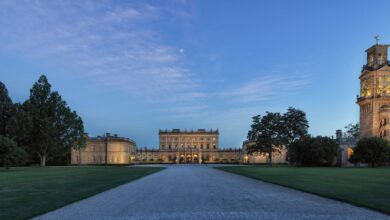
Unique boutique hotels showcasing local culture takes center stage as a vibrant testament to individuality and heritage, inviting travelers to experience the essence of a locale like never before. These hotels serve not merely as accommodations but as immersive experiences that weave together local traditions, artistry, and flavors, each space distinctly echoing the heartbeat of its community. In a world dominated by cookie-cutter hotel chains, boutique hotels stand out with their curated art, unique culinary offerings, and personalized services that truly capture the spirit of the surrounding culture.
From the design that incorporates regional artistic elements to the culinary delights crafted from local ingredients, these hotels are a celebration of the places they inhabit. They offer a gateway for guests to connect deeply with their surroundings, transforming a simple stay into a journey through the rich tapestry of local art, food, and lifestyle.






Understanding Unique Boutique Hotels
Boutique hotels stand out in the hospitality industry due to their distinct charm and personalized experiences. Unlike large hotel chains, boutique hotels offer a sense of intimacy and character that attracts travelers seeking a deeper connection with their surroundings. The allure of boutique hotels lies not only in their aesthetic appeal but also in the cultural narratives they weave through their design and services.
The essence of boutique hotels can be encapsulated in their dedication to offering a unique, localized experience that reflects the traditions, art, and culture of the area. This emphasis on local culture enriches the guest experience, allowing visitors to immerse themselves in the community’s heritage, cuisine, and customs. As a result, boutique hotels become not just places to stay but gateways to discovering the local way of life.
Characteristics of Boutique Hotels
Boutique hotels possess several defining characteristics that differentiate them from traditional accommodations. These features contribute to their unique appeal and experiential value.
- Intimate Atmosphere: Boutique hotels typically offer a smaller number of rooms, creating a cozy and intimate environment. This setting allows for personalized service and attention to detail, enhancing the overall guest experience.
- Distinctive Design: Each boutique hotel often showcases a unique design aesthetic that is reflective of its location. From local art to architectural styles, these elements create a memorable ambiance.
- Personalized Service: Staff at boutique hotels tend to provide more personalized service, often remembering guests’ names and preferences, which fosters a welcoming environment.
- Emphasis on Local Culture: Boutique hotels frequently highlight local culture through decor, food offerings, and experiences, making it easier for guests to connect with the destination.
The significance of local culture in the boutique hotel experience cannot be overstated. Many boutique hotels curate their services and offerings around the traditions and stories of their locality, which enhances the authenticity of the guest experience. For instance, a boutique hotel in a historic district may host local artists for exhibitions or offer cooking classes focused on regional cuisine, allowing guests to engage with the culture in meaningful ways.
Differentiation from Traditional Hotels
The distinctions between boutique hotels and traditional hotels are evident in various aspects of their operations and guest interactions.
- Size and Scale: Boutique hotels are generally smaller than traditional hotels, often featuring fewer than 100 rooms. This smaller scale allows for heightened attention to guest services and more intimate experiences.
- Brand Identity: Unlike traditional hotel chains that prioritize brand uniformity, boutique hotels often embrace a strong, individualized brand identity that reflects their unique narrative and local influences.
- Curation of Experiences: Boutique hotels tend to focus on providing curated experiences that resonate with guests’ interests, such as local tours, art showcases, or wellness retreats, rather than standardized amenities.
- Local Partnerships: Many boutique hotels collaborate with local businesses and artisans to offer authentic experiences, from farm-to-table dining to handcrafted souvenirs, enhancing the connection with the community.
In conclusion, the characteristics and cultural emphasis found in boutique hotels create a compelling alternative to traditional accommodation options. By prioritizing intimacy, design, and local engagement, these hotels provide guests with a distinctive way to explore and appreciate the cultures in which they are situated.
The Role of Local Culture in Boutique Hotels
Boutique hotels have carved out a niche in the hospitality industry by offering personalized experiences that reflect the unique characteristics of their locations. This distinctiveness often stems from the incorporation of local culture into every aspect of the hotel, from design to service. By embracing the surrounding culture, boutique hotels not only create a sense of place but also enhance the guest experience through authentic interactions and offerings.
The representation of local culture in boutique hotel designs and themes is vital to creating an immersive environment for guests. Hotels carefully curate their aesthetic by incorporating regional art, architecture, and decor that resonate with the local community. This approach allows guests to experience the destination in a way that is often missing from larger, more standardized hotel chains. Local materials, craftsmanship, and historical references are taken into account, ensuring that each hotel tells a story reflective of its heritage. For instance, a boutique hotel in a coastal town may feature nautical themes, such as driftwood furniture and marine-inspired textiles, while a hotel in a city known for its artistic heritage might display works by local artists, creating a vibrant gallery-like atmosphere.
Incorporation of Regional Traditions into Services
Boutique hotels excel at weaving regional traditions into their services, adding layers of cultural depth to the guest experience. These services can range from culinary offerings to wellness experiences and local excursions. By embracing these traditions, hotels not only appeal to the desires of their guests but also support local artisans and communities.
One way boutique hotels incorporate local culture is through their culinary offerings. Many establishments collaborate with local chefs to create menus that highlight regional ingredients and traditional cooking methods. For example, a hotel in Mexico might offer cooking classes focused on authentic Mexican cuisine, allowing guests to learn about local ingredients and techniques.
Here are a few additional examples of how boutique hotels effectively reflect their local culture through services and experiences:
- Local Artisans and Crafts: Some boutique hotels partner with local artisans to offer handmade goods for sale in their gift shops, supporting the local economy while providing guests with unique souvenirs.
- Cultural Events and Workshops: Hosting events such as traditional dance performances or craft workshops lets guests engage with the local culture firsthand.
- Curated Local Experiences: Boutique hotels often create personalized itineraries that guide guests through the area’s cultural landmarks, historical sites, and hidden gems.
Promoting wellness through local traditions is another effective method. A boutique hotel situated in a region known for its natural healing properties might offer spa treatments that incorporate local herbs and therapies, emphasizing the connection to the land and its cultural significance.
In summary, boutique hotels serve as a canvas for local culture, using thoughtful design and personalized services to create authentic experiences. By reflecting the heritage and traditions of their surroundings, these hotels not only enrich their guests’ stays but also foster a deeper appreciation for the local community.
Showcasing Local Art and Craftsmanship: Unique Boutique Hotels Showcasing Local Culture
Boutique hotels have a unique opportunity to create immersive experiences for their guests by integrating local art and craftsmanship into their design and offerings. This not only enhances the aesthetic appeal of the hotels but also connects travelers with the cultural heritage of the area they are visiting. Art and craftsmanship serve as windows through which guests can appreciate and understand the creativity and talent of local artisans.
Establishing partnerships with local artists allows boutique hotels to curate a selection of artworks that reflect the region’s history, culture, and identity. This collaborative approach enriches the guest experience while simultaneously supporting the local economy. By showcasing the work of artisans, these hotels become platforms for creativity, making each stay a memorable exploration of the locale’s artistic essence.
List of Boutique Hotels Featuring Local Artisans’ Works
Many boutique hotels have embraced the concept of showcasing local art to enhance their guests’ experience. Here are some noteworthy examples:
- The NoMad Hotel, New York City: This hotel features curated pieces from local artists, offering a vibrant representation of New York’s dynamic art scene.
- Post Ranch Inn, Big Sur: With stunning ocean views, this hotel displays artwork from local artisans, integrating the natural environment into the artistic expression.
- Hotel Emma, San Antonio: This historic hotel showcases local Texan artists, creating a blend of heritage and contemporary style throughout the property.
- Canopy by Hilton, Portland: Artist collaborations feature prominently in this hotel, with rotating exhibitions from local creatives that change seasonally.
- 25hours Hotel, Florence: Each room is uniquely designed with artworks from local artists, providing guests with a personalized cultural experience.
Supporting and Promoting Local Artists, Unique boutique hotels showcasing local culture
Boutique hotels can play an instrumental role in fostering local artistry. Here are some effective strategies for supporting and promoting local artists:
- Establish artist-in-residence programs that allow local creators to work on-site, providing them exposure and enriching the ambiance of the hotel.
- Host art exhibitions and events that encourage community engagement, allowing guests to interact with the artists and purchase their work.
- Feature local art in public spaces, such as lobbies and dining areas, creating a gallery-like atmosphere that celebrates local creativity.
- Collaborate with local art schools and organizations to identify emerging talent and provide them with a platform to showcase their work.
- Offer workshops or classes led by local artists, giving guests the opportunity to learn and create alongside seasoned professionals.
Impact of Displaying Local Artwork on Guest Experience
The integration of local artwork into boutique hotels significantly enhances the guest experience. Displaying art created by local artisans contributes to a sense of place and identity, allowing guests to connect with the culture of the region.
“The presence of local art in hotels not only beautifies the surroundings but also enriches the narrative of the space, making every stay a unique story.”
Guests often appreciate the opportunity to engage with the local culture through visual storytelling, which can lead to deeper emotional connections to their travel destinations. The curated ambiance can elevate their overall experience, transforming a simple stay into a meaningful exploration of local heritage. Furthermore, when guests learn about the stories behind the artwork, it adds a layer of authenticity that enhances their appreciation for both the hotel and the local community.
Culinary Experiences at Boutique Hotels
Boutique hotels are redefining the travel experience by offering unique culinary adventures that immerse guests in the local culture. These establishments often embrace the culinary heritage of their surroundings, allowing visitors to not only taste regional flavors but also understand the stories and traditions behind them. Culinary experiences at boutique hotels play a significant role in making a stay more memorable, creating a deeper connection between guests and their destinations.
One effective way boutique hotels can enhance their dining options is through collaboration with local chefs. By working closely with chefs who are well-versed in regional cuisine, boutique hotels can provide guests with authentic dining experiences that reflect the essence of the locale. This partnership can lead to innovative menus that utilize local ingredients, promote sustainability, and showcase traditional cooking techniques that might otherwise be overlooked.
Unique Dining Experiences in Boutique Hotels
The following table highlights boutique hotels that offer distinctive dining experiences tied to local cuisine. Each hotel showcases the rich culinary traditions of their region, making dining an integral part of the travel experience.
| Hotel Name | Location | Unique Dining Experience |
|---|---|---|
| The Red Carnation Hotel | London, UK | Offers a classic English afternoon tea with locally sourced ingredients. |
| Hotel Bel-Air | Los Angeles, USA | Features a farm-to-table dining concept focusing on seasonal Californian produce. |
| Six Senses Zil Pasyon | Seychelles | Provides a unique dining experience under the stars with local seafood delicacies. |
| Aman Tokyo | Tokyo, Japan | Offers a teppanyaki dining experience that highlights traditional Japanese cooking methods. |
The integration of culinary classes and food tours into the offerings of boutique hotels further enhances the guest experience. Many boutique hotels now provide opportunities for guests to engage in hands-on cooking classes that focus on regional specialties. These classes not only teach participants how to create authentic dishes but also provide insights into the local culture and agricultural practices.
For instance, at the Hotel Casa Santo Domingo in Guatemala, guests can join cooking classes that teach traditional Guatemalan recipes, utilizing ingredients sourced from local markets. Similarly, The Sukhothai Bangkok offers culinary classes where participants learn to make classic Thai dishes from experienced chefs, followed by a meal to enjoy their creations.
Boutique hotels can also organize food tours that allow guests to explore local markets, sample street food, and visit artisan producers. Such experiences create an engaging narrative around the culinary landscape of the region, offering travelers a taste of local life. By integrating these culinary experiences, boutique hotels not only showcase the local culture but also contribute to the distinctiveness of their brand, enriching the overall guest experience.
Community Engagement and Sustainability
Boutique hotels have a unique opportunity to enrich their local communities while fostering sustainable practices that benefit the environment and enhance the travel experience. By engaging with local initiatives, these hotels not only contribute to the well-being of their surroundings but also create an enriching narrative for guests seeking authenticity and connection to the places they visit. This dual focus on community involvement and sustainability is essential for the growth of boutique hotels and the preservation of local culture.
Community engagement is vital for boutique hotels as it builds strong relationships with local residents and stakeholders. It can help foster economic growth, promote cultural exchange, and create a sense of belonging among guests and locals alike. Participating in community initiatives can take many forms, from supporting local artisans to collaborating with environmental organizations, all aimed at creating a positive impact on the area.
List of Sustainable Practices Adopted by Boutique Hotels
Many boutique hotels are setting benchmarks for sustainability by implementing practices that not only reduce their environmental footprint but also elevate local culture and heritage. Below are some common sustainable practices adopted by these hotels:
- Use of Local Materials: Sourcing building materials and furnishings from local suppliers reduces transportation emissions and supports local artisans.
- Organic and Locally-Sourced Food: Many boutique hotels emphasize farm-to-table dining experiences, using ingredients sourced from local farms to reduce carbon footprints and highlight regional cuisine.
- Water Conservation: Implementing water-saving devices and practices, such as low-flow showerheads and linens laundering on request, helps preserve precious local water resources.
- Energy Efficiency: Utilizing renewable energy sources, like solar panels, and energy-efficient lighting helps reduce the hotel’s reliance on non-renewable energy.
- Waste Reduction: Many hotels engage in recycling and composting programs, minimizing waste sent to landfills by repurposing organic materials and promoting recycling among guests.
- Support for Local Community Projects: Engaging in or funding local educational, environmental, or cultural initiatives enhances the community’s resilience and overall quality of life.
Boutique hotels can also play a pivotal role in promoting ecotourism while showcasing local heritage. By emphasizing environmentally responsible travel, these hotels attract visitors who are keen to explore and appreciate the natural beauty and cultural richness of the area.
Promotion of Ecotourism and Local Heritage
The integration of ecotourism into the operations of boutique hotels not only highlights local heritage but also encourages sustainable travel practices among guests. Boutique hotels can adopt various strategies to promote ecotourism and the preservation of local culture, including:
- Guided Nature Tours: Partnering with local guides to offer eco-friendly tours that educate guests about the region’s natural ecosystems and cultural heritage.
- Workshops and Cultural Events: Hosting workshops that allow guests to learn about local crafts, music, or dance fosters an appreciation for the area’s cultural traditions.
- Wildlife Conservation Programs: Supporting or collaborating with conservation programs that protect local wildlife and habitats, thereby raising awareness among guests.
- Encouraging Responsible Travel Practices: Providing information on how guests can minimize their environmental impact, such as promoting public transportation or biking over driving.
- Community Involvement Opportunities: Offering guests opportunities to participate in community clean-up days or local charity events can enhance their connection to the area.
Through these practices, boutique hotels not only provide a memorable experience for their guests but also ensure that their operations are in harmony with the local culture and environment, making a positive impact on the communities they inhabit.
Guest Experiences and Cultural Immersion
Boutique hotels have transcended mere accommodation, evolving into gateways that connect travelers with the local culture. These unique establishments curate experiences that encourage guests to dive into the spirit and traditions of their surroundings, offering more than just a place to rest. From cooking classes featuring regional cuisine to guided tours led by local artisans, the opportunities for cultural immersion are vast and varied.
Engaging with the local culture not only enriches the travel experience but also fosters connections between guests and the community. Through thoughtfully designed activities, boutique hotels play a crucial role in promoting cultural understanding and appreciation. Here, we explore some of the experiences that allow guests to truly immerse themselves in the culture of their destination.
Activities for Cultural Immersion
The following activities exemplify how boutique hotels facilitate cultural immersion and create memorable experiences for their guests:
- Cooking Classes: Guests can participate in hands-on cooking classes that teach traditional recipes using local ingredients, often guided by local chefs who share their personal stories and culinary secrets.
- Art Workshops: Many boutique hotels partner with local artists to host workshops where guests can learn crafts such as pottery, painting, or weaving, gaining insight into the local artistic heritage.
- Cultural Tours: Organized cultural tours led by local historians or community members allow guests to explore significant landmarks, historical sites, and hidden gems, enhancing their understanding of the area.
- Music and Dance Events: Some hotels offer live performances featuring local musicians or dancers, inviting guests to experience the vibrant rhythms and movements that reflect the region’s cultural identity.
- Community Volunteering: Opportunities to engage in community service projects enable guests to contribute positively to the local community, strengthening their connection with the people and their culture.
Engagement in these activities not only enriches the guest’s journey but also supports local economies and artisans.
Comparison of Boutique Hotels Based on Cultural Engagement
To better understand the variety of cultural engagement offerings, below is a comparison table showcasing different boutique hotels and their unique cultural experiences:
| Hotel Name | Location | Cultural Engagement Offerings |
|---|---|---|
| The Artisan Inn | Newfoundland, Canada | Cooking classes, local art workshops, and guided nature tours |
| Hotel Amparo | Mexico City, Mexico | Traditional Mexican cooking lessons and neighborhood walking tours |
| The Shankara Bali | Bali, Indonesia | Balinese dance classes and community service programs |
| Riad Yasmine | Marrakech, Morocco | Moroccan lantern-making workshops and culinary experiences |
| Hotel Santika | Bali, Indonesia | Local handicraft tours and Balinese cooking classes |
This table highlights the diverse approaches boutique hotels take to facilitate cultural interactions, ensuring that every traveler can find an experience that resonates with them.
Guest Testimonials on Cultural Experiences
Listening to guests’ stories provides a deeper understanding of the impact of cultural immersion through boutique hotels. Here are a few testimonials that illustrate these transformative experiences:
“Staying at The Artisan Inn was a revelation. The cooking class not only taught me how to make traditional Newfoundland dishes but also allowed me to connect with the chef, who shared stories of his grandmother’s recipes. It was an unforgettable experience.” – Sarah T.
“At Hotel Amparo, the neighborhood walking tour opened my eyes to the rich history of Mexico City. Our guide was a local historian who brought the past to life in a way I never expected.” – Mark L.
“Participating in a Balinese dance class at The Shankara Bali was a highlight of my trip. It was a unique way to immerse myself in the culture while having so much fun.” – Emily J.
These testimonials showcase how boutique hotels serve as conduits for cultural connection, making every stay a unique blend of hospitality and cultural enrichment.
Marketing Unique Boutique Hotels
In the competitive landscape of the hospitality industry, marketing unique boutique hotels entails a focused strategy that highlights their distinctive cultural aspects. Boutique hotels thrive on their individuality, and effective marketing should leverage this by showcasing the local culture, art, and experiences that set them apart from traditional hotels. By emphasizing the hotel’s unique offerings, potential guests can easily envision the enriching experiences available to them during their stay.
A comprehensive marketing plan should utilize various platforms to reach the target audience effectively. Social media, in particular, plays a crucial role in visual storytelling, allowing boutique hotels to showcase local culture through engaging content. By employing diverse marketing strategies, boutique hotels can create a compelling narrative that resonates with prospective guests and fosters a deeper connection with the local community.
Strategies for Marketing Boutique Hotels Emphasizing Local Culture
Implementing effective marketing strategies is essential for boutique hotels to highlight their cultural uniqueness. Here are some key strategies to consider:
- Visual Storytelling: Utilize professional photography and videography to capture the essence of the local culture, architecture, and traditions. Use these visuals across social media channels and on the hotel’s website.
- Content Marketing: Develop blog posts and articles that delve into local traditions, festivals, and cultural practices. This can position the hotel as a cultural ambassador and attract visitors interested in authentic experiences.
- Collaborations with Local Artists: Partner with local artists and artisans to create unique installations within the hotel. This not only enhances the hotel’s ambiance but also provides a platform for local talent.
- Promotions Featuring Local Experiences: Create packages that include local experiences such as guided tours, cooking classes, or art workshops, enticing guests to immerse themselves in the culture.
Using Social Media to Showcase Local Culture
Social media serves as a dynamic platform for boutique hotels to highlight their unique cultural offerings effectively. A solid plan could involve:
- Regular Posting: Share consistent content featuring local events, festivals, and cultural landmarks, ensuring that followers engage with the content regularly.
- User-Generated Content: Encourage guests to share their experiences through photos and testimonials, showcasing their encounters with local culture. This not only builds community but also provides authentic endorsements.
- Live Streams and Stories: Utilize live video features to broadcast local events or behind-the-scenes hotel activities, creating an interactive experience for followers.
- Hashtags Campaigns: Create a specific hashtag to encourage guests to tag the hotel in their posts, helping to aggregate content and reach a broader audience.
Examples of Successful Marketing Campaigns
Successful campaigns from boutique hotels can serve as inspiration for others looking to market their cultural offerings. Notable examples include:
- Hotel Emma in San Antonio: This luxury hotel emphasizes its historic significance by integrating local San Antonio culture into its branding and marketing. Their campaigns frequently highlight local architecture and history, attracting guests interested in heritage tourism.
- The Dean Hotel in Providence: This hotel successfully utilized social media to promote local art by featuring installations from local artists in their promotional content. This approach not only engages the community but also resonates with art enthusiasts.
- Soho Farmhouse in Oxfordshire: Their marketing highlights the connection to the surrounding countryside, using picturesque imagery and stories about local farming practices, appealing to guests seeking a rural retreat.
Planning a romantic escape? Discover the ultimate places to stay with our guide to romantic hotels perfect for honeymoon getaways. These stunning accommodations offer breathtaking views, luxurious amenities, and intimate settings that will make your honeymoon unforgettable. Whether you prefer a cozy cabin in the mountains or a beachfront villa, there’s a perfect spot waiting for you to create lasting memories.
If you’re planning a honeymoon, choosing the right destination is essential for creating lasting memories. Consider exploring some of the romantic hotels perfect for honeymoon getaways that offer stunning views, luxurious amenities, and an intimate atmosphere. These hotels are designed to provide couples with the ultimate experience, ensuring that your time together is both special and unforgettable.